
Tasting Atacama
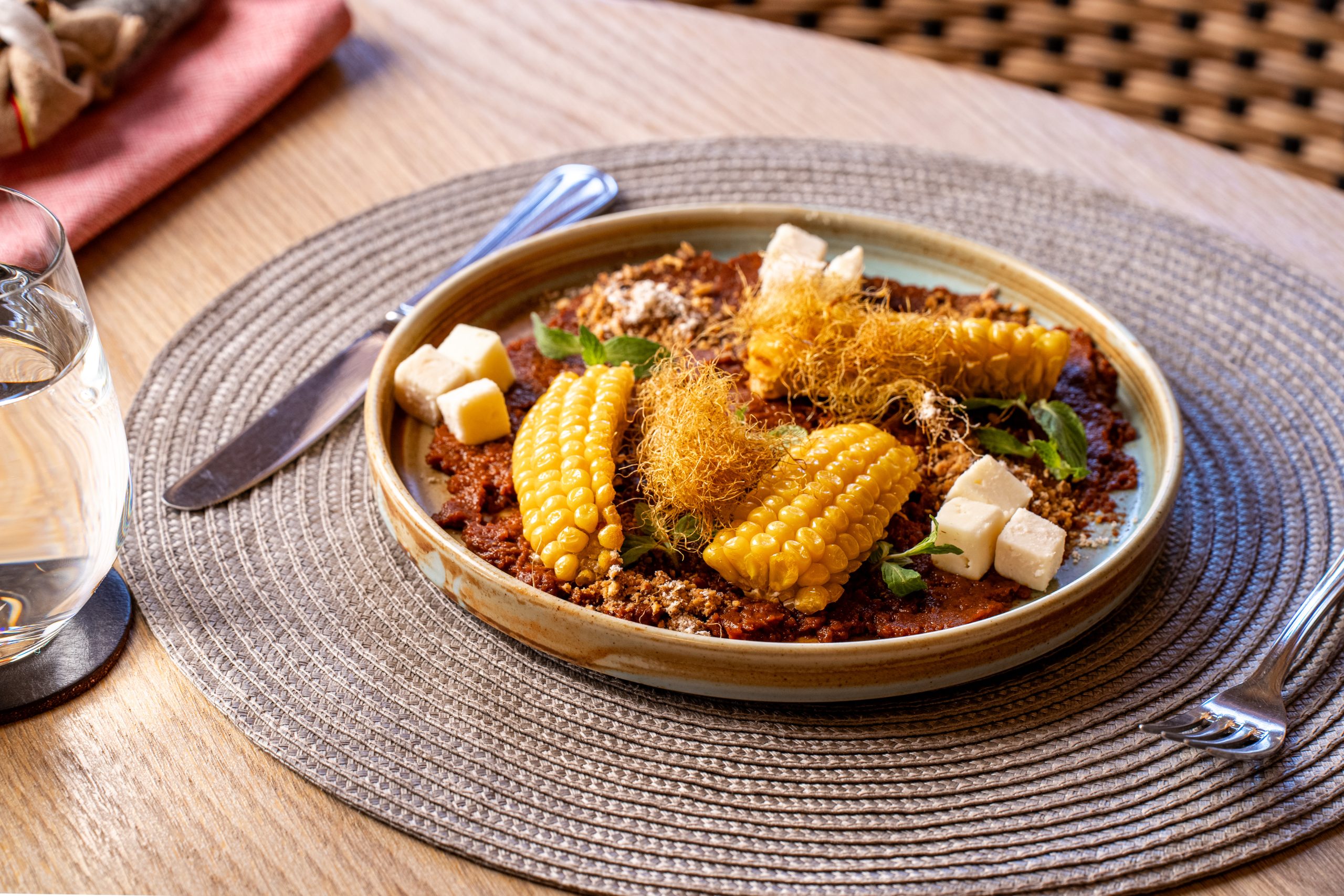
At Awasi Atacama, Chef Sebastián Prieto and his team began developing the new menu with a question: what stories about Atacama could be told through food?
Rather than building the menu around a collection of individual dishes, they looked to the territory itself, drawing inspiration from its landscapes, ingredients, natural cycles, celebrations, and traditions.
The result is a series of seven dining experiences, each offering a different perspective on the destination.
Seven nights, seven perspectives
Blooming, San Juan, The Sal Route, Solstice, The Sky, Quincho, and Oasis: each explores a different aspect of Atacama through a multi-course menu.
Blooming takes inspiration from an ancestral Andean tradition in which llamas and other livestock are adorned with colorful wool and ornaments as an expression of gratitude and a wish for prosperity.
San Juan takes its name from the feast of San Juan Bautista on June 24, an important date in the ceremonial calendar of several Atacameño communities.
The Salt Route looks to the salt flats and ancient routes that connected Atacama with neighboring territories, while Solstice celebrates the longest night of the year and the beggining of a new seasonal cycle.
Sky turns to one of Atacama’s defining features: its clear skies, high altitude, and dry climate, conditions that have made the region one of the world’s most important places for astronomical observation.
Quincho centers on fire and the shared table, drawing from the tradition of gathering around the fire to cook and eat together.
Oasis explores the presence of water and agriculture in the desert, and the crops, orchards, and vegetation sustained by Atacama’s oases.
Within each experience, the concept unfolds from the first course through dessert. Ingredients, flavors, colors, textures, and techniques come together to interpret the story of the evening.
From territory to table
That principle remains central to Awasi’s approach to cooking: listen to the territory, highlight the ingredients, respect local traditions, and intervene only where necessary.
Contemporary techniques including fermentation, low-temperature cooking, foams, gels, and different treatments of a single ingredient sit alongside elemental methods such as fire, grilling, pickling, slow cooking, and dehydration. Technique is used to reveal something about an ingredient rather than disguise it.
Chañar, algarrobo, rica-rica, corn, potatoes, vegetables, and herbs connect the menus to northern Chile, while fish, seafood, and other proteins arrive from other regions of the country.
The intention is not to restrict the kitchen to what grows within San Pedro de Atacama. Instead, it is to create a Chilean cuisine that makes sense in the place where it is being served.
Beyond the desert
For guests staying several nights at Awasi, the changing menus offer another way of exploring the destination.
The desert encountered during the day continues at the table, but from a different perspective. A landscape seen on an excursion might reappear through an ingredient, a texture, a cooking method, or the story behind that evening’s menu.
And gradually, the familiar image of Atacama as simply a desert becomes more complex.
The aim is not simply for guests to taste Atacama, but to become curious about it.
If a dish prompts someone to ask why it is there, where an ingredient comes from, or what story inspired that evening’s menu, then the menu has achieved what it set out to do.
A way of discovering Atacama through its flavors, landscapes, and stories.
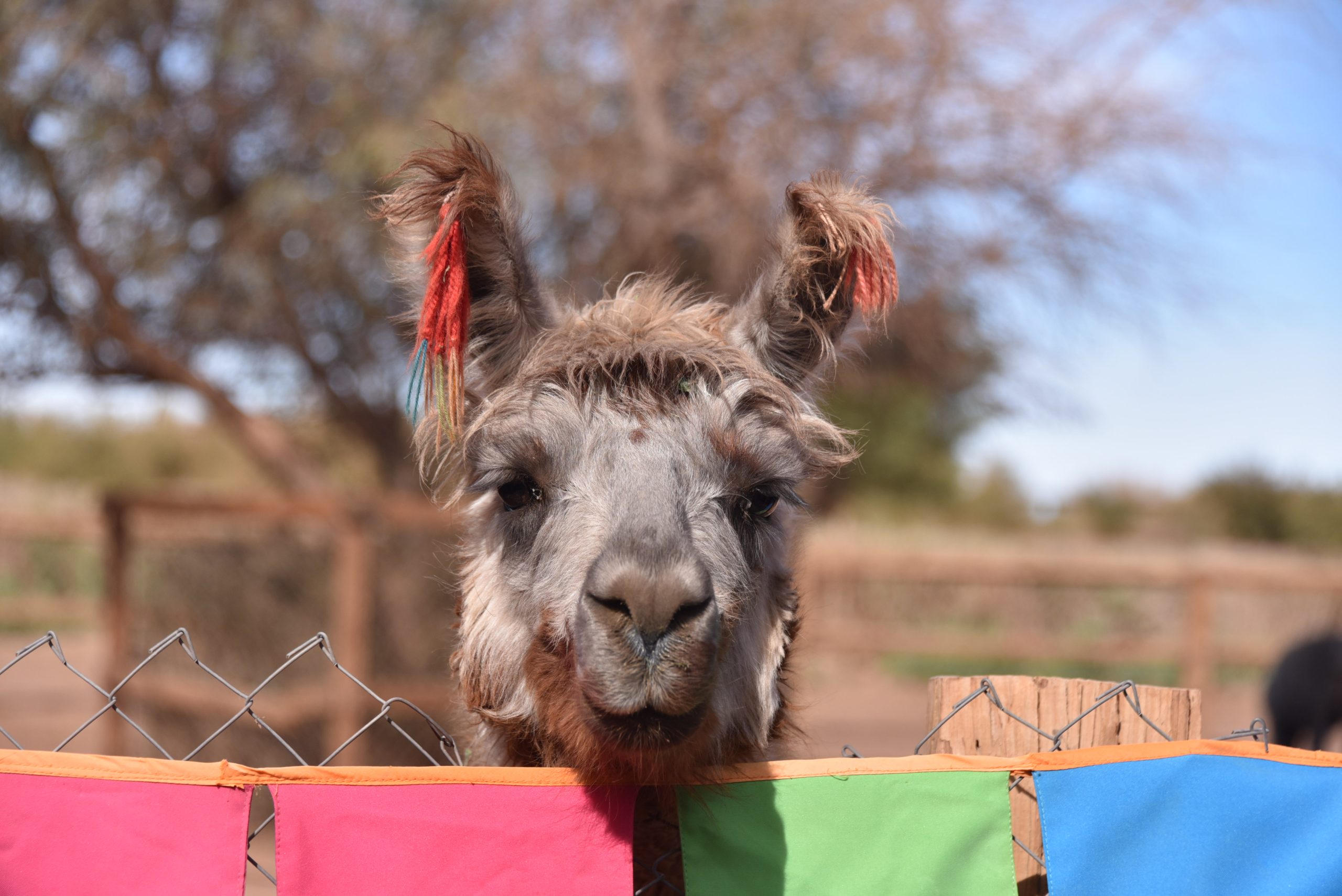
A llama adorned with colorful wool ornaments during Floreamiento, an ancestral Andean tradition that celebrates livestock and expresses gratitude and wishes for prosperity.
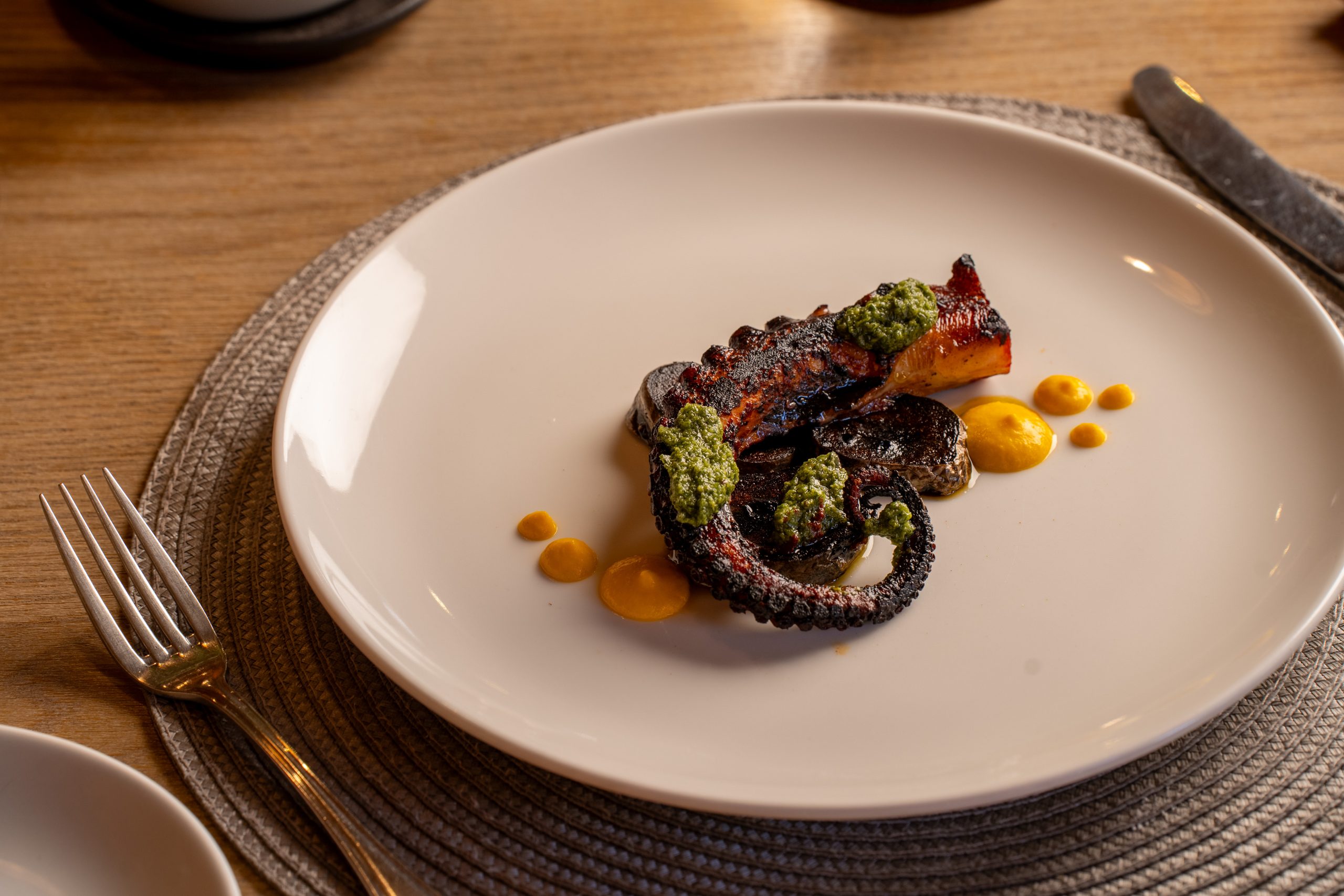
Ingredients sourced from across Chile, reflecting the diversity of the country’s produce, flavors, and regions.
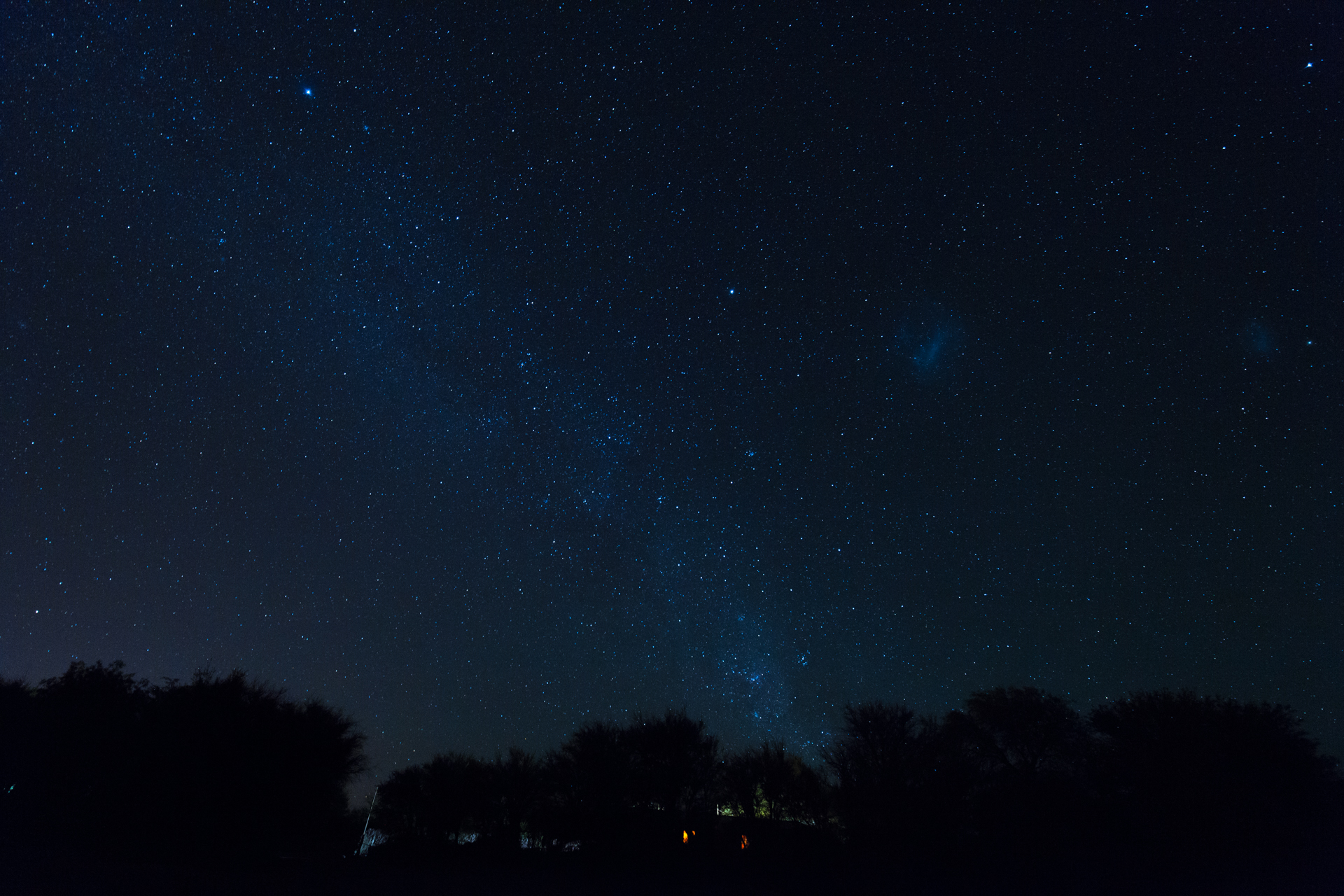
The night sky over the Atacama Desert, where high altitude, dry conditions, and minimal light pollution create exceptional conditions for observing the stars.
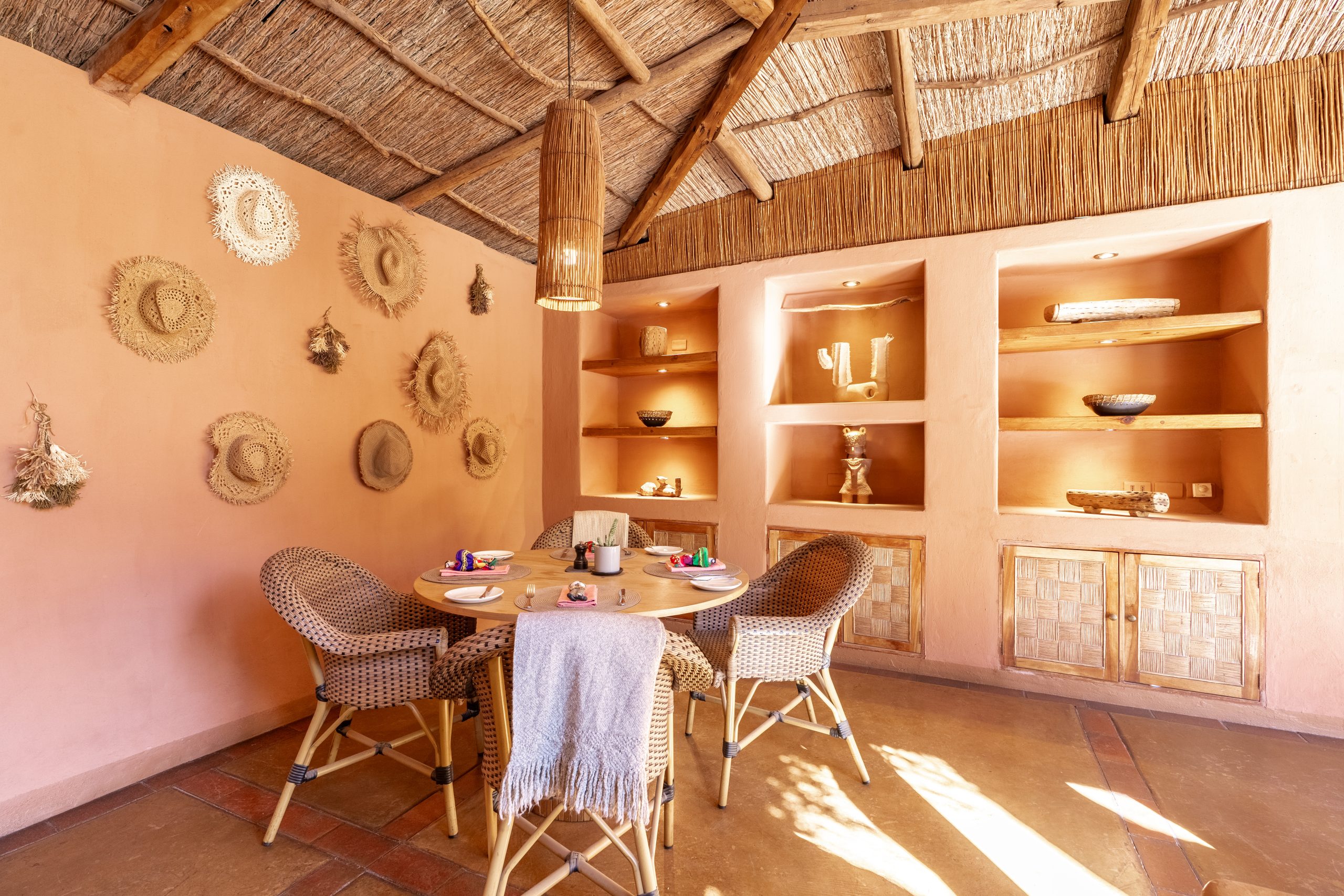
The restaurant at Awasi Atacama, where the new menu presents seven dining experiences inspired by the landscapes, ingredients, and traditions of the region.
You might enjoy
Iguazú from Both Sides
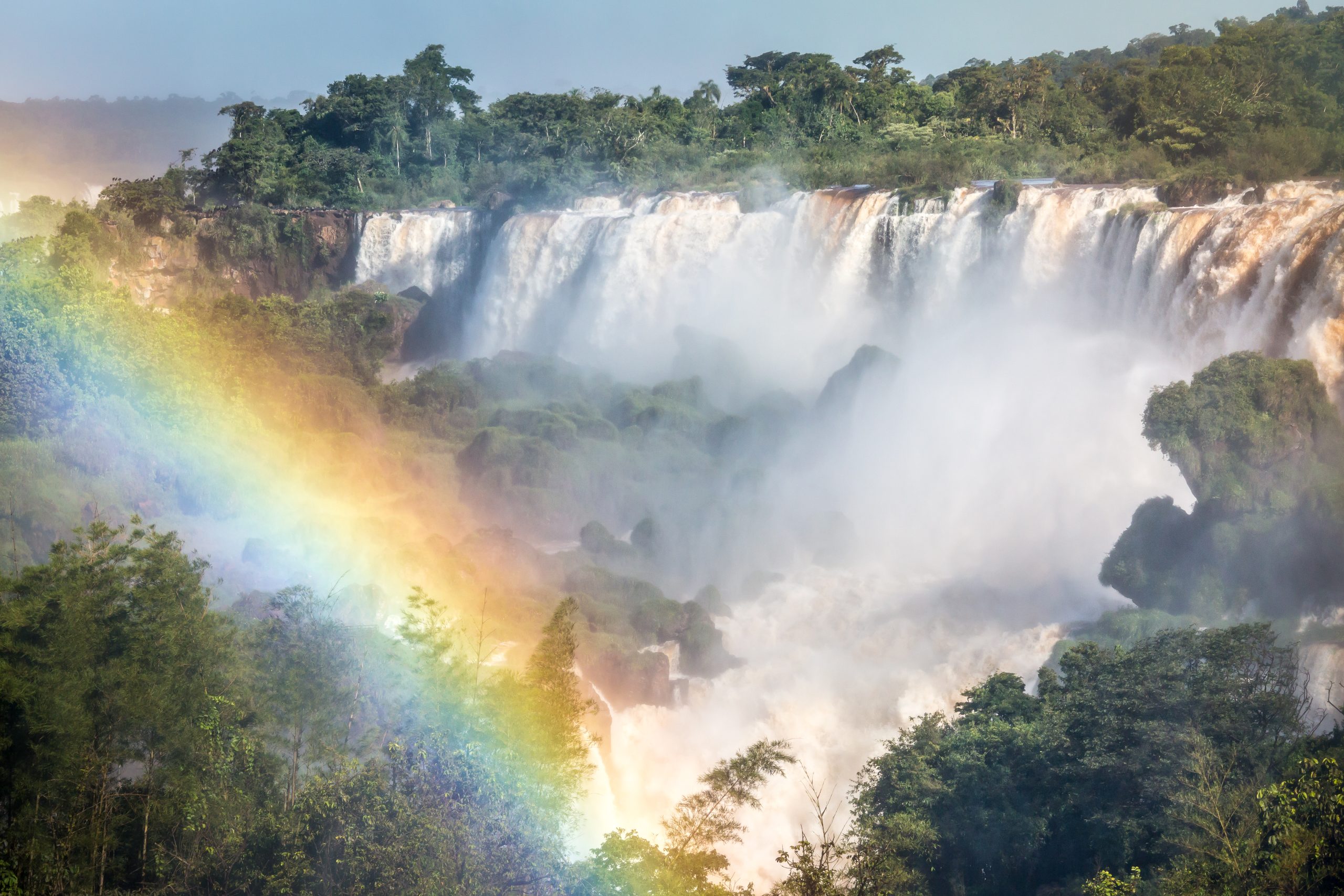
Stretching nearly 2.7 kilometers across the border of Argentina and Brazil, Iguazú Falls is a collection of around 275 waterfalls surrounded by the Atlantic Rainforest. Discover both sides of the Falls with a private guide from Awasi Iguazú, then continue your journey to the coast of southern Brazil at Awasi Santa Catarina.
A Reset from Within
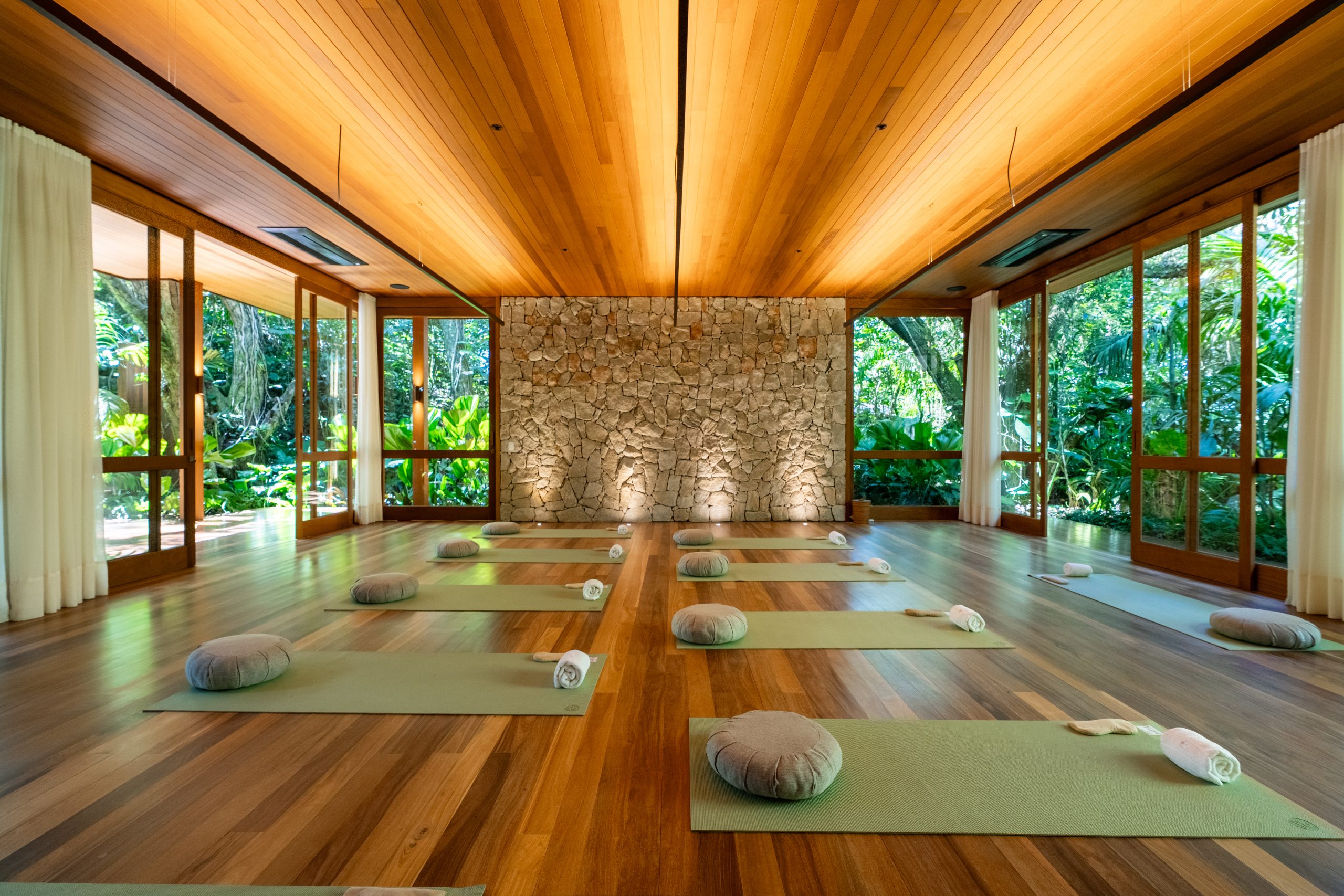
A wellness program where nutrition, movement and recovery work together to support more stable energy throughout the day. At Awasi Santa Catarina, each element is shaped by the surrounding landscape, from fresh local ingredients to forest trails and the ocean.
Awasi Through Our Team’s Eyes
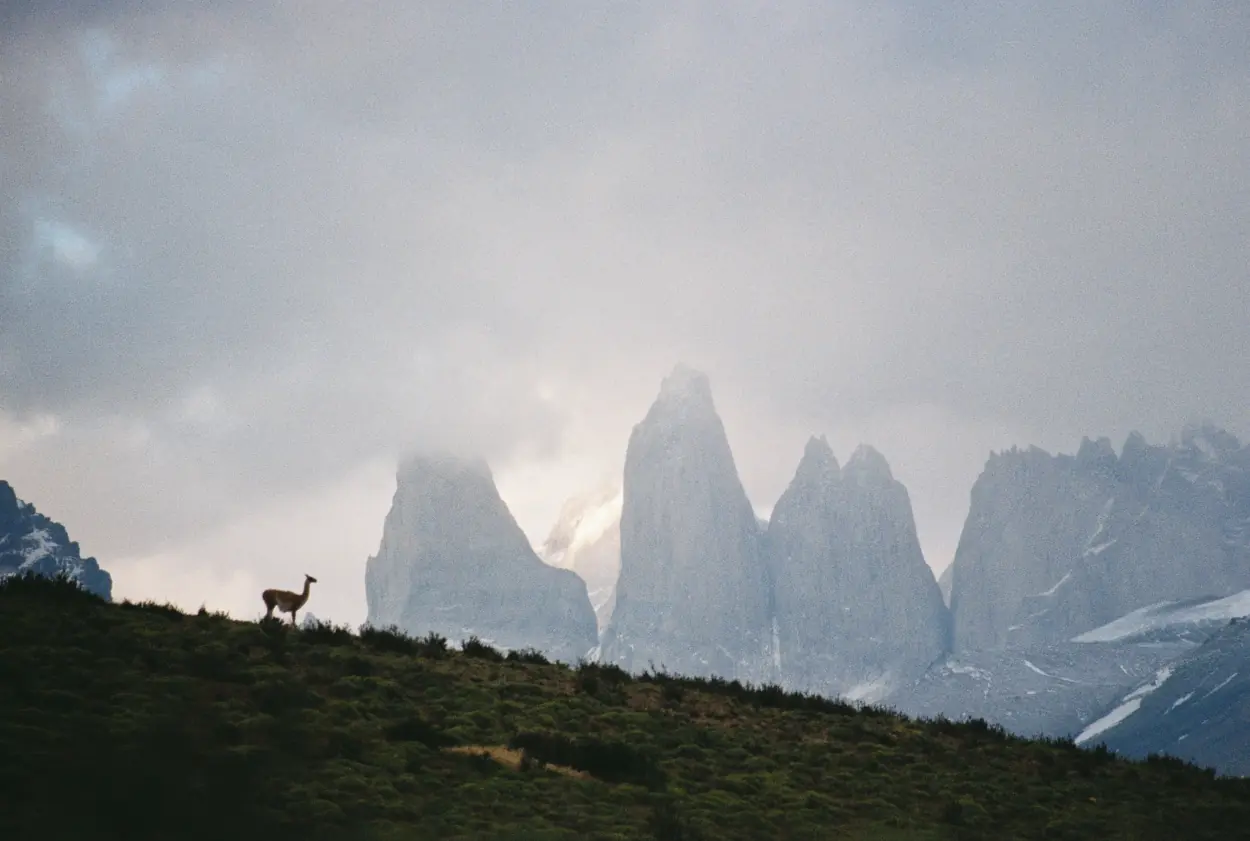
From Patagonia’s wildlife to the jungle of Iguazú, Atacama’s vast desert, Santa Catarina’s Atlantic Forest and Mendoza’s vineyards, discover Awasi through the eyes of the people who experience these places every day.
Awasi Santa Catarina Receives WITT Certification
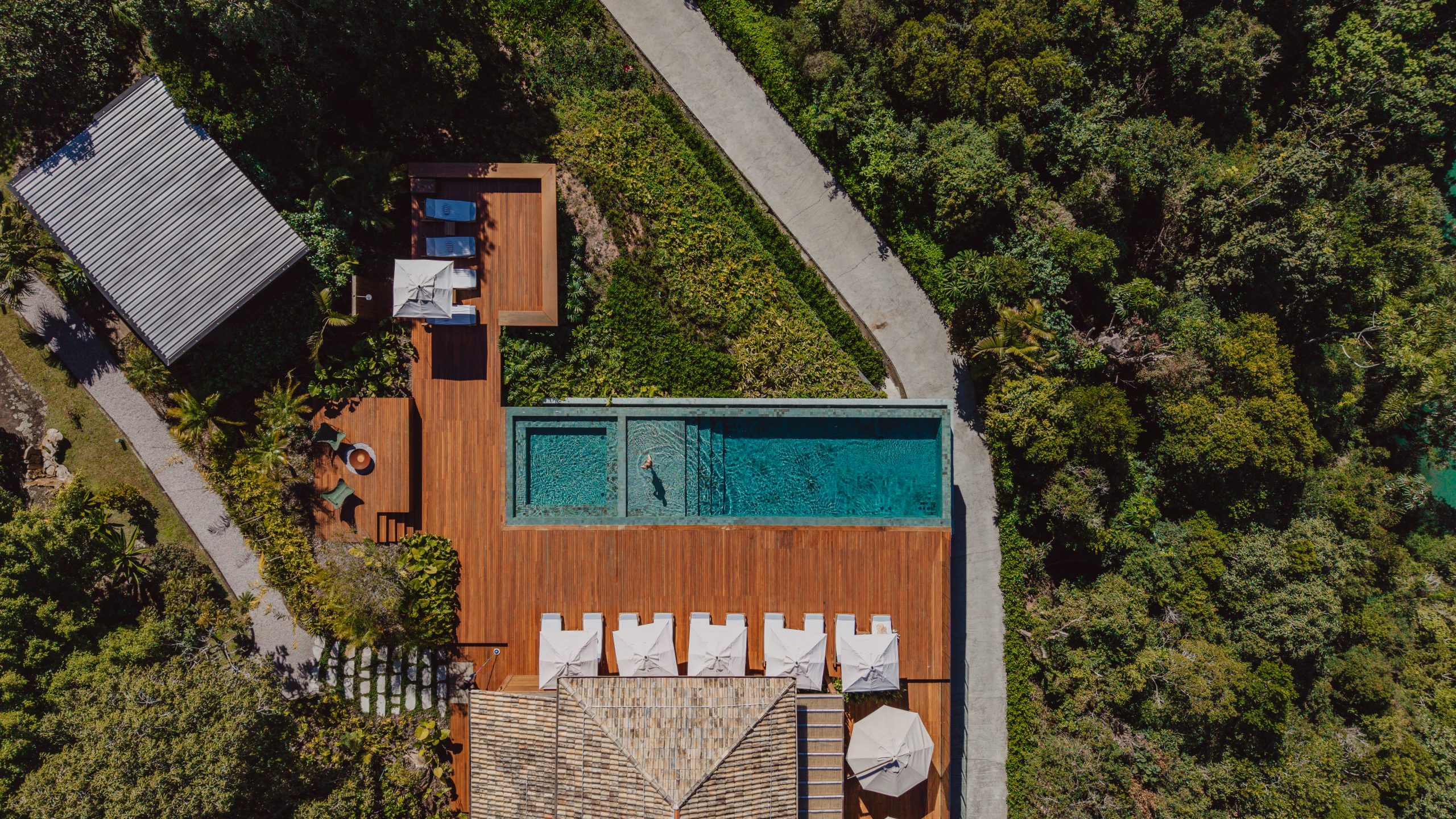
Awasi Santa Catarina has received WITT Certification, an independent global recognition of hotels and resorts where wellness is thoughtfully integrated into the guest experience.
Winter at Awasi Patagonia: What’s New for 2027
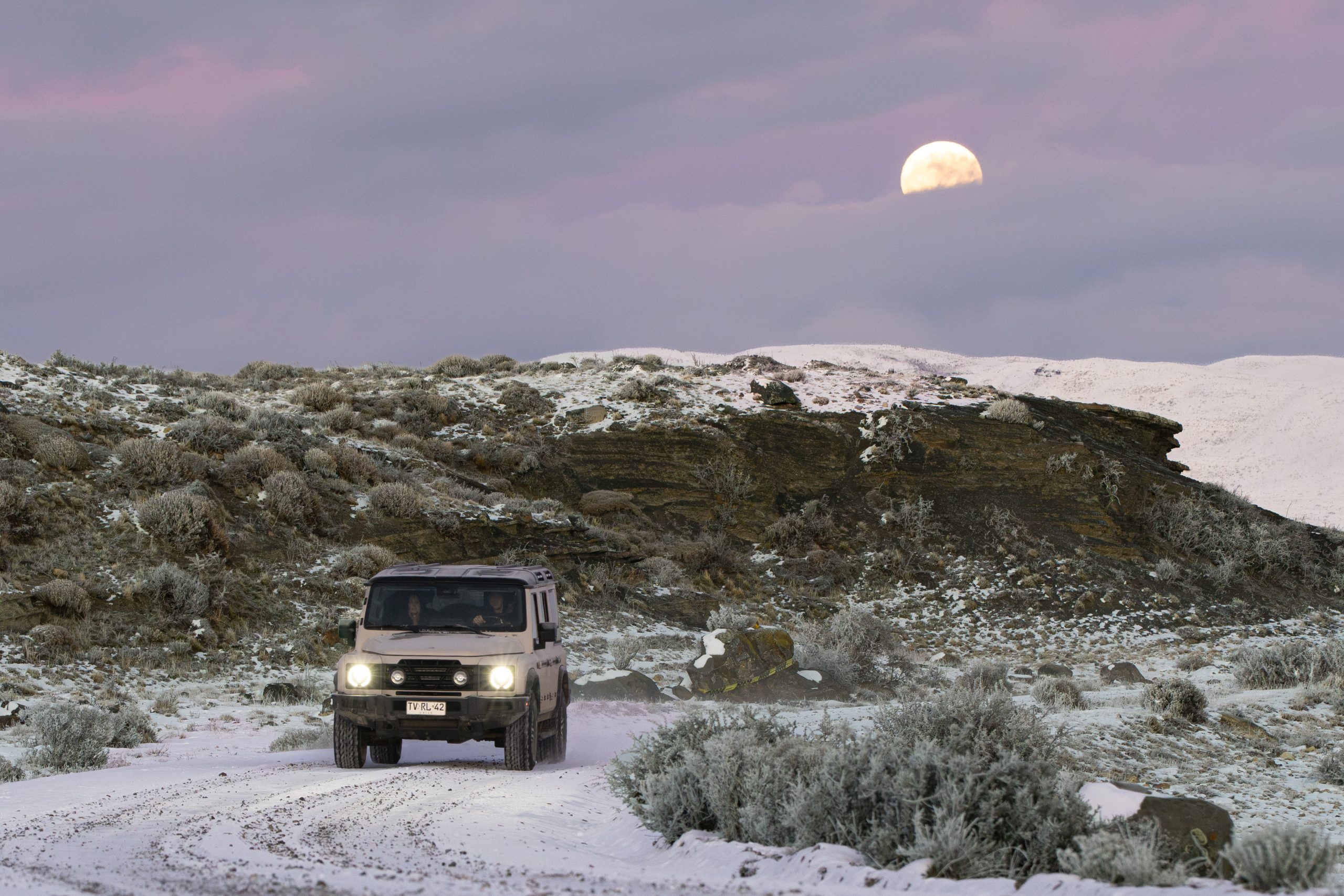
Winter reveals a different side of Patagonia. In 2027, Awasi Patagonia introduces private Puma Tracking within its 7,000-acre reserve, alongside the new Cenit Villas and a season of tailor-made exploration.
When Landscape Becomes Part of the Work
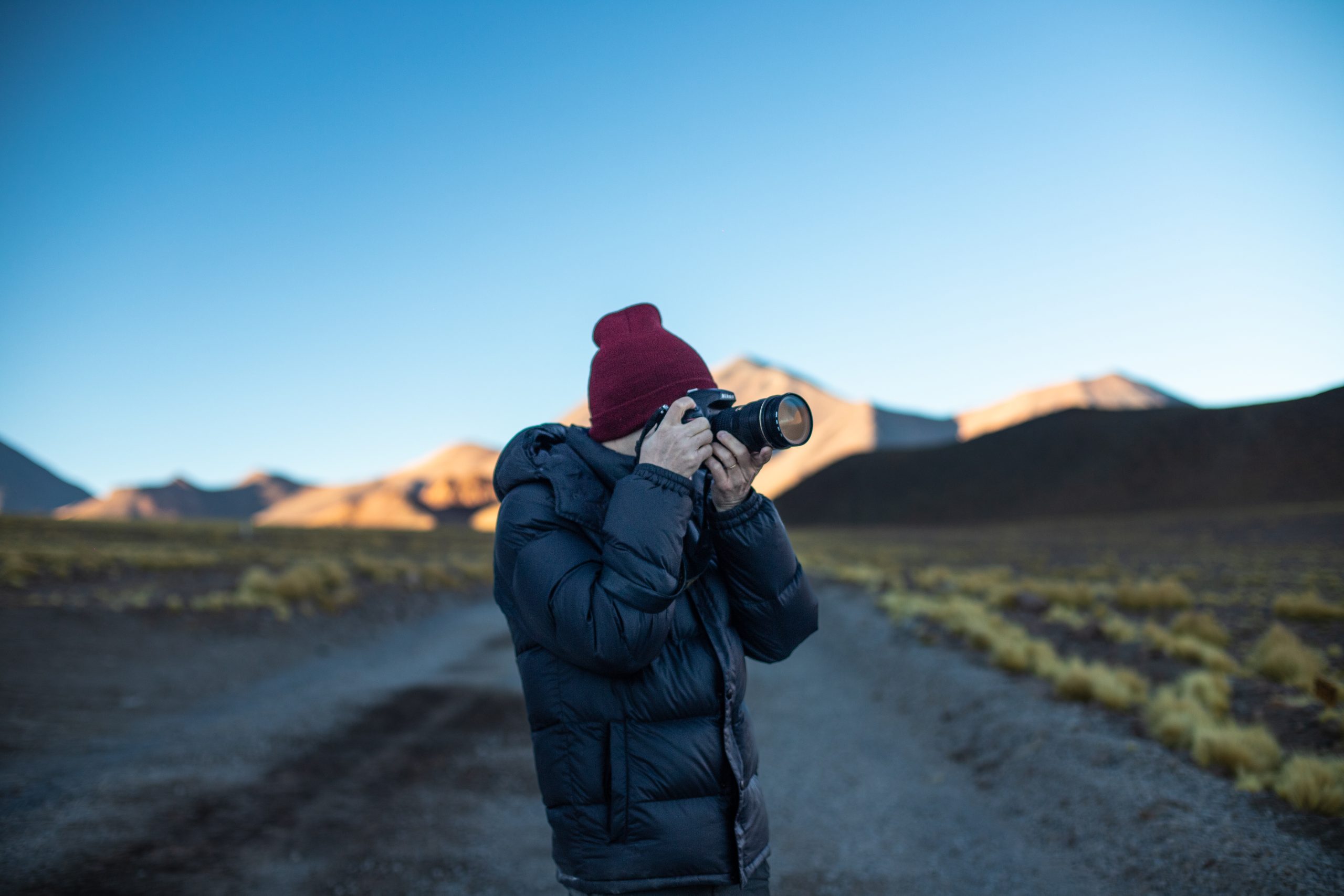
What happens when artists are given time to experience a place before deciding what to make of it? The Awasi Artist Immersion brings artists into close contact with the landscapes, cultures and communities of Awasi destinations, allowing each to create work shaped by what they encounter.
Twenty-Five Years by the Sea
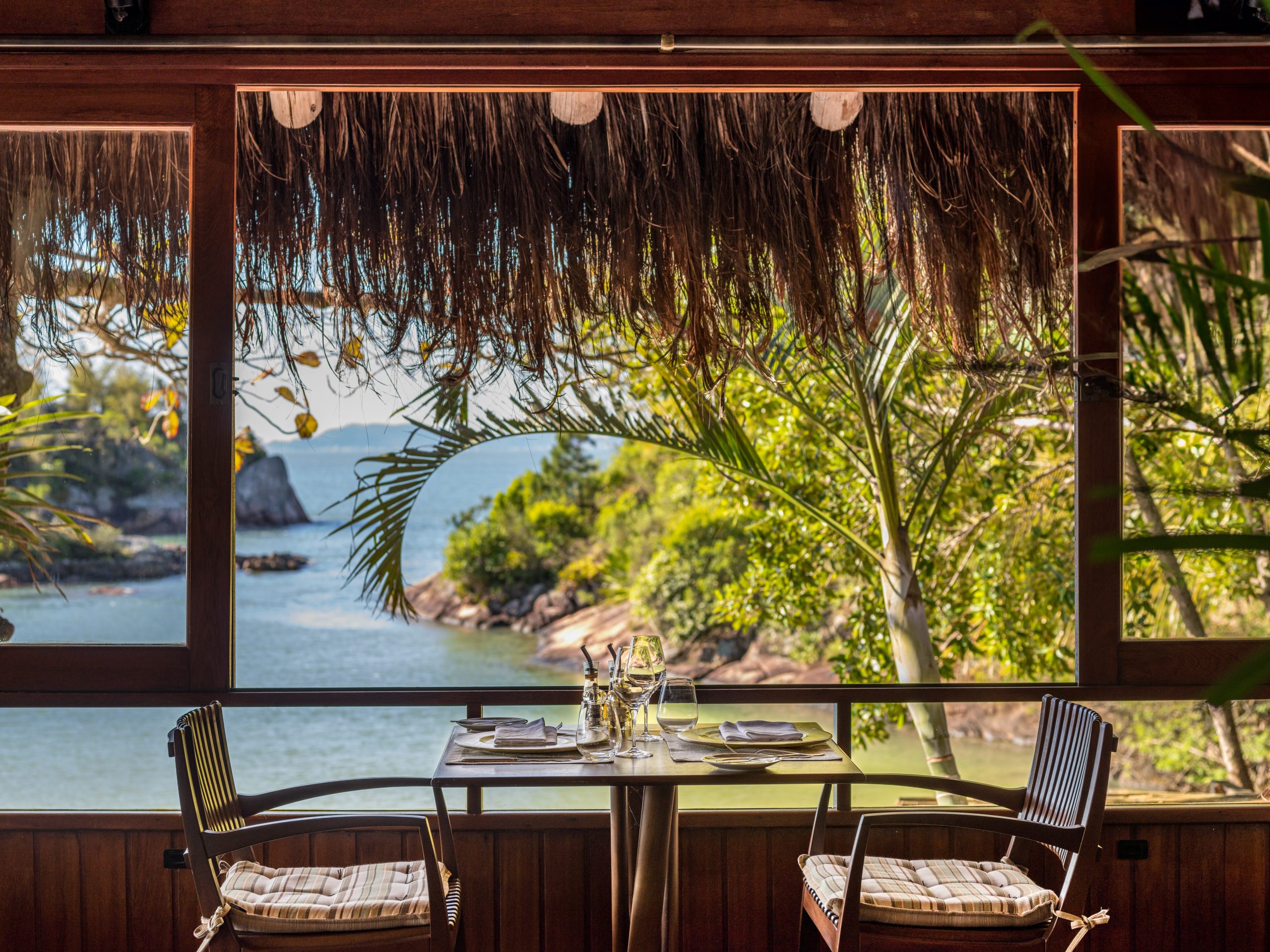
For twenty-five years, Awasi Santa Catarina has grown alongside the landscape and community of Governador Celso Ramos. From the people who have been part of its story since the beginning to the native forest, organic garden and traditions of the surrounding coast, discover the history of a place shaped by enduring connections.
Vineyards or Rainforest, Then the Sea
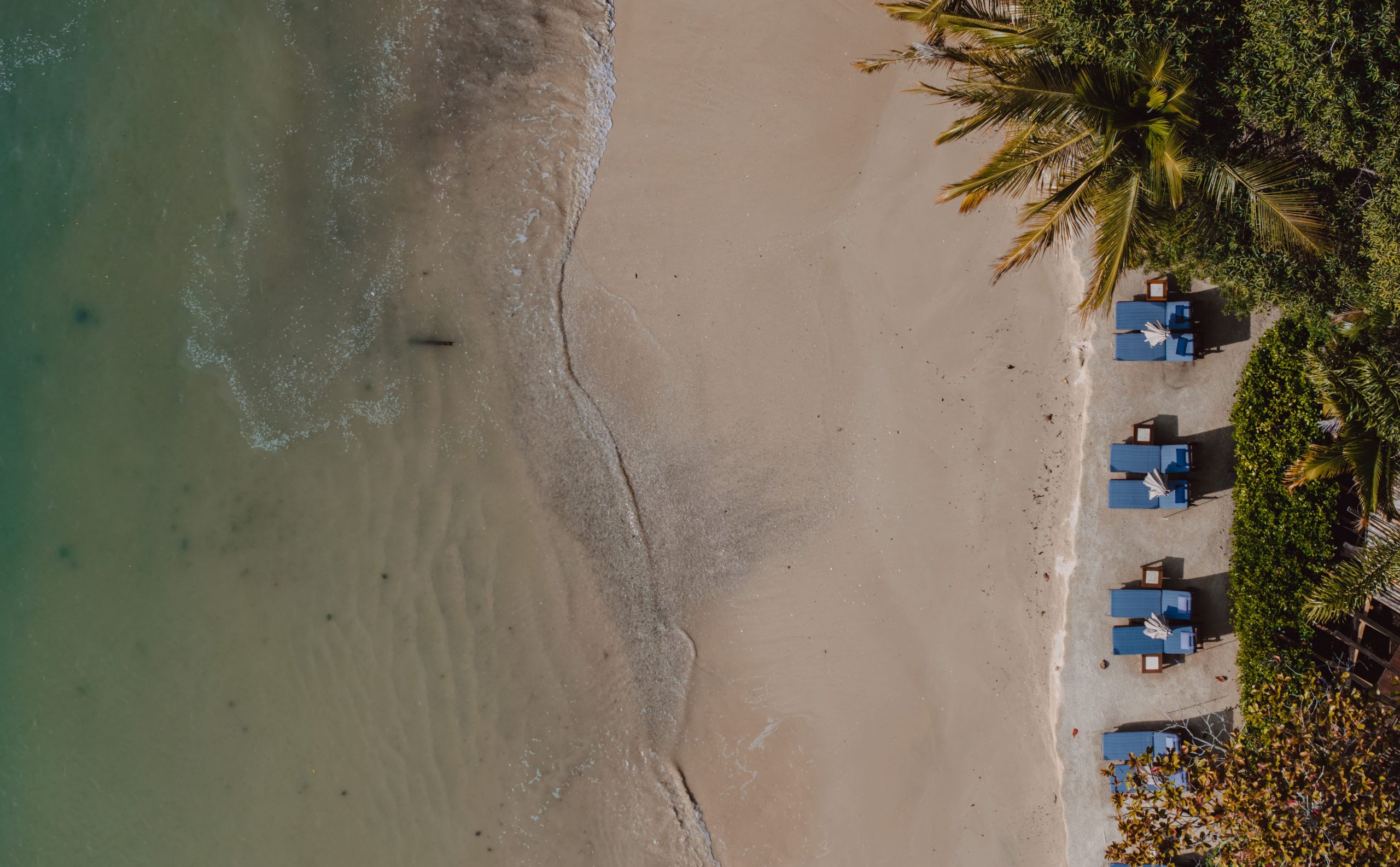
Celebrate the festive season under southern skies with private journeys through the Atacama Desert, Patagonia, Mendoza, Iguazú, and Brazil's Emerald Coast.
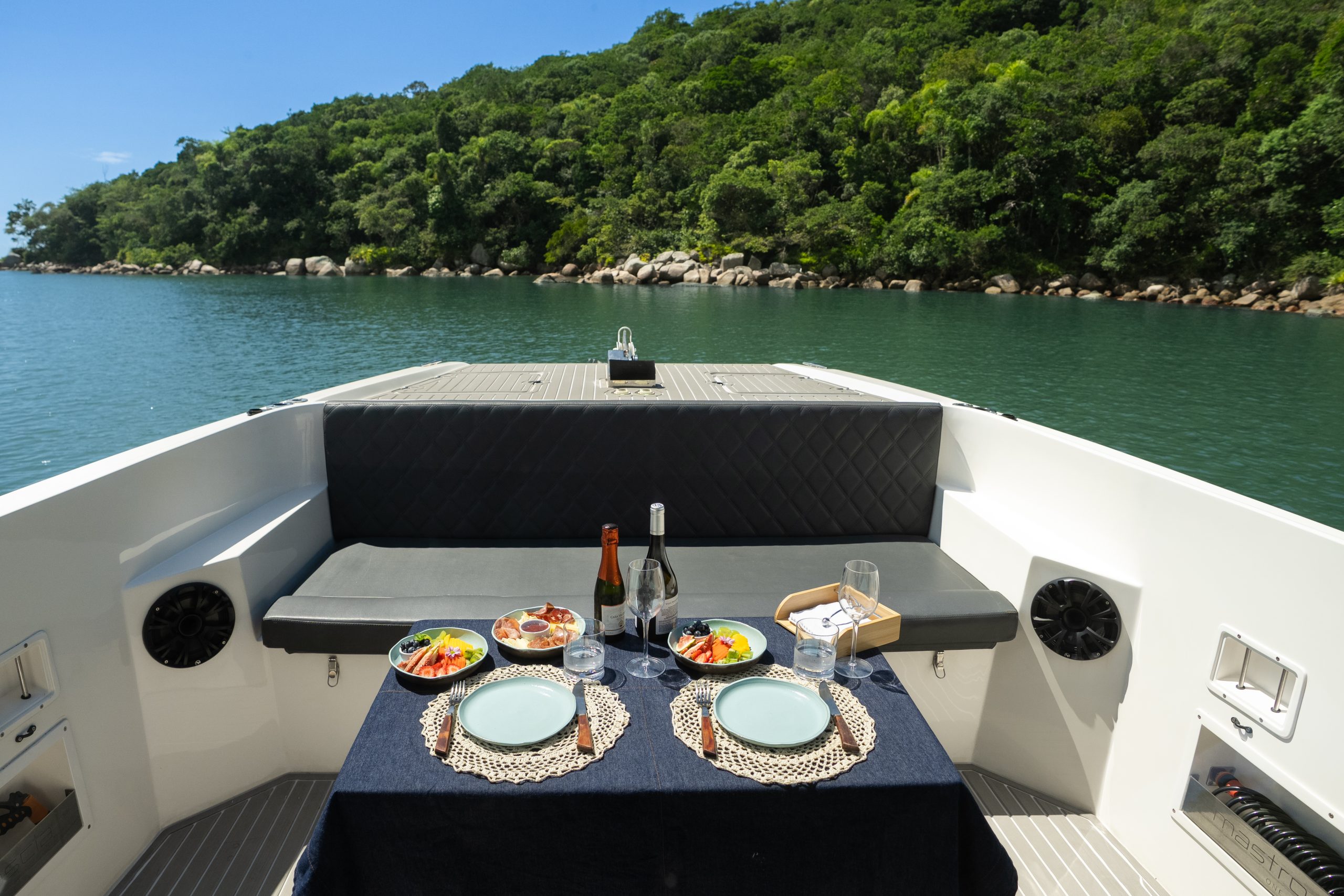
Celebrate Under Southern Skies
Celebrate the festive season under southern skies with private journeys through the Atacama Desert, Patagonia, Mendoza, Iguazú, and Brazil's Emerald Coast.
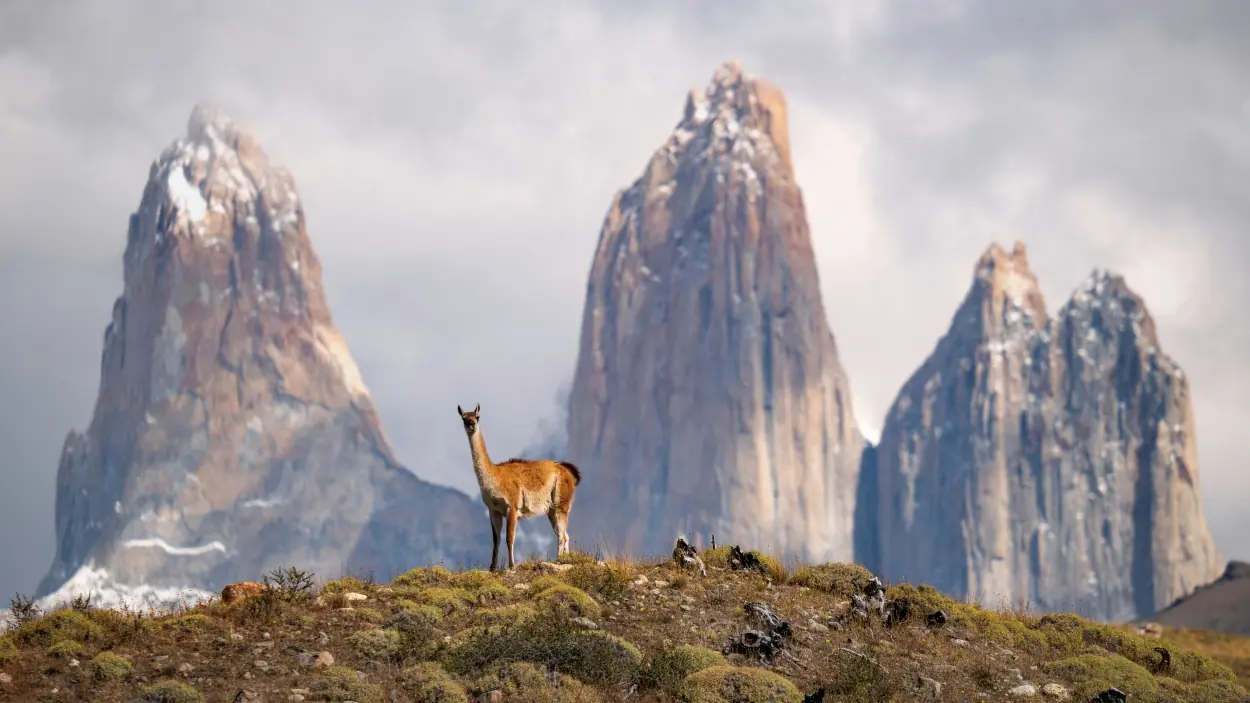
Recognized Around the World
From Michelin Keys to Travel + Leisure, discover Awasi's latest awards and international recognition celebrating personalized travel across South America.
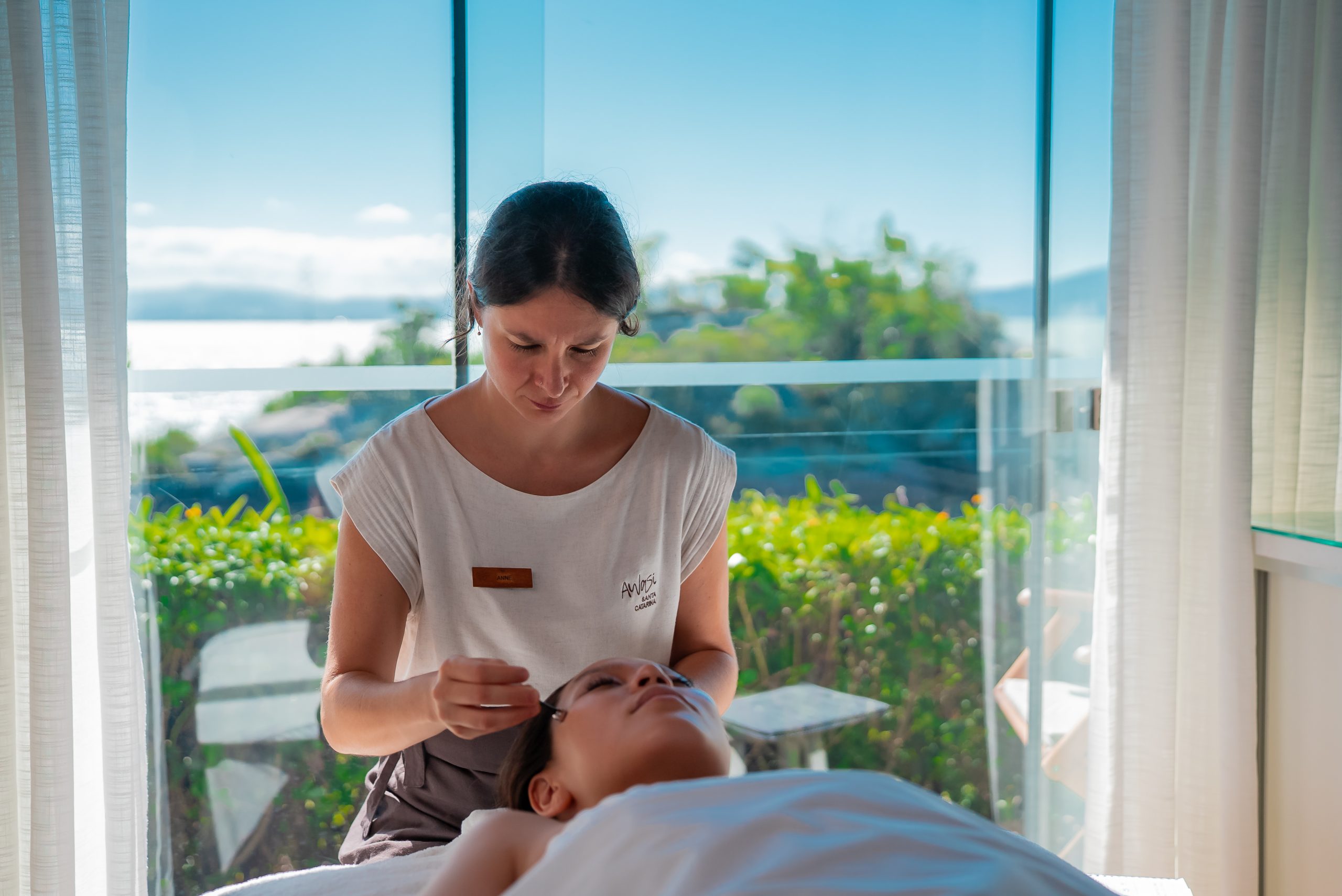
Why Santa Catarina Is One of Brazil’s Best Wellness Retreat Destinations
Discover how Awasi Santa Catarina combines personalized wellness programs, restorative treatments, seasonal cuisine, and the natural rhythms of Brazil's Atlantic Forest to create a year-round wellness escape on the Emerald Coast.
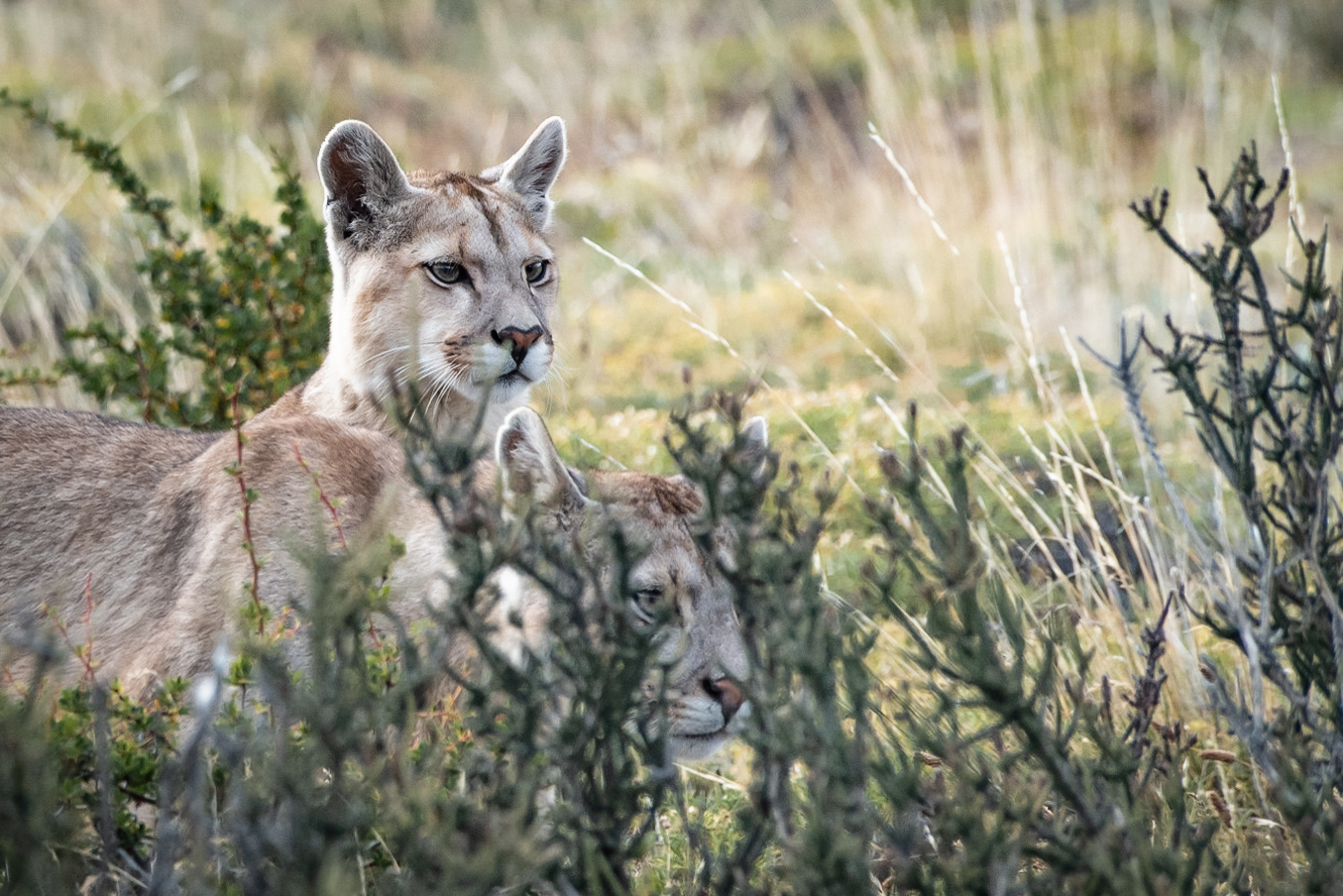
Protecting What Makes These Places Exceptional
Conservation isn’t a separate initiative at Awasi. It’s the foundation of every experience. Across South America, each lodge protects the landscapes, wildlife, and communities that make its destination extraordinary.