Designed to Belong
Awasi’s architecture takes its cues from nature.
In the wild, camouflage is an art of adaptation. A puma’s coat disappears against the grasses of Patagonia. In the Atlantic Rainforest, insects mimic leaves and branches, becoming almost indistinguishable from the vegetation around them.
Nature has perfected the ability to blend in. Architecture, too, can learn from it.
Across Awasi’s lodges, natural materials, earthy colors, and thoughtful positioning allow each villa to become part of its surroundings.
Inspired by the Wild
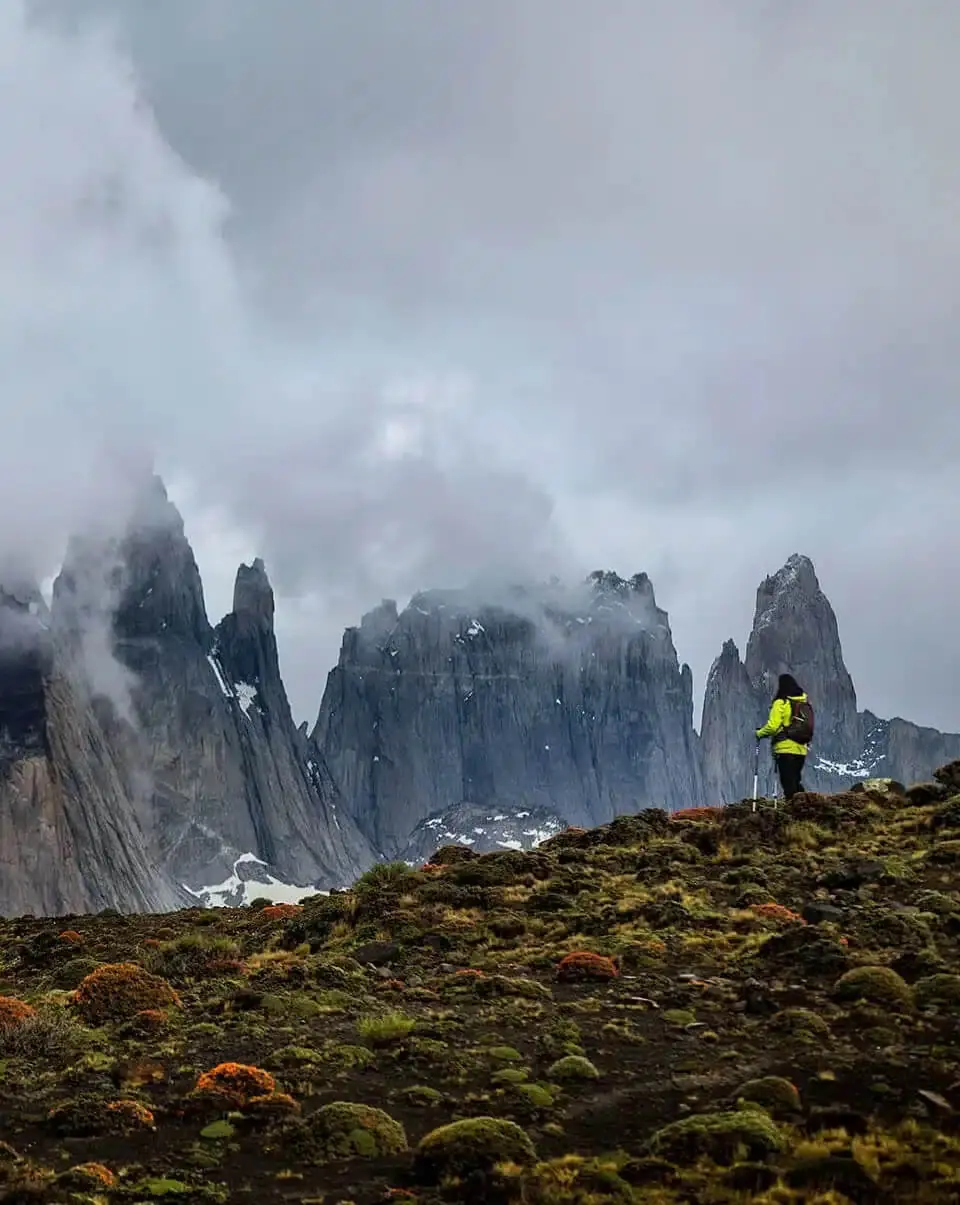
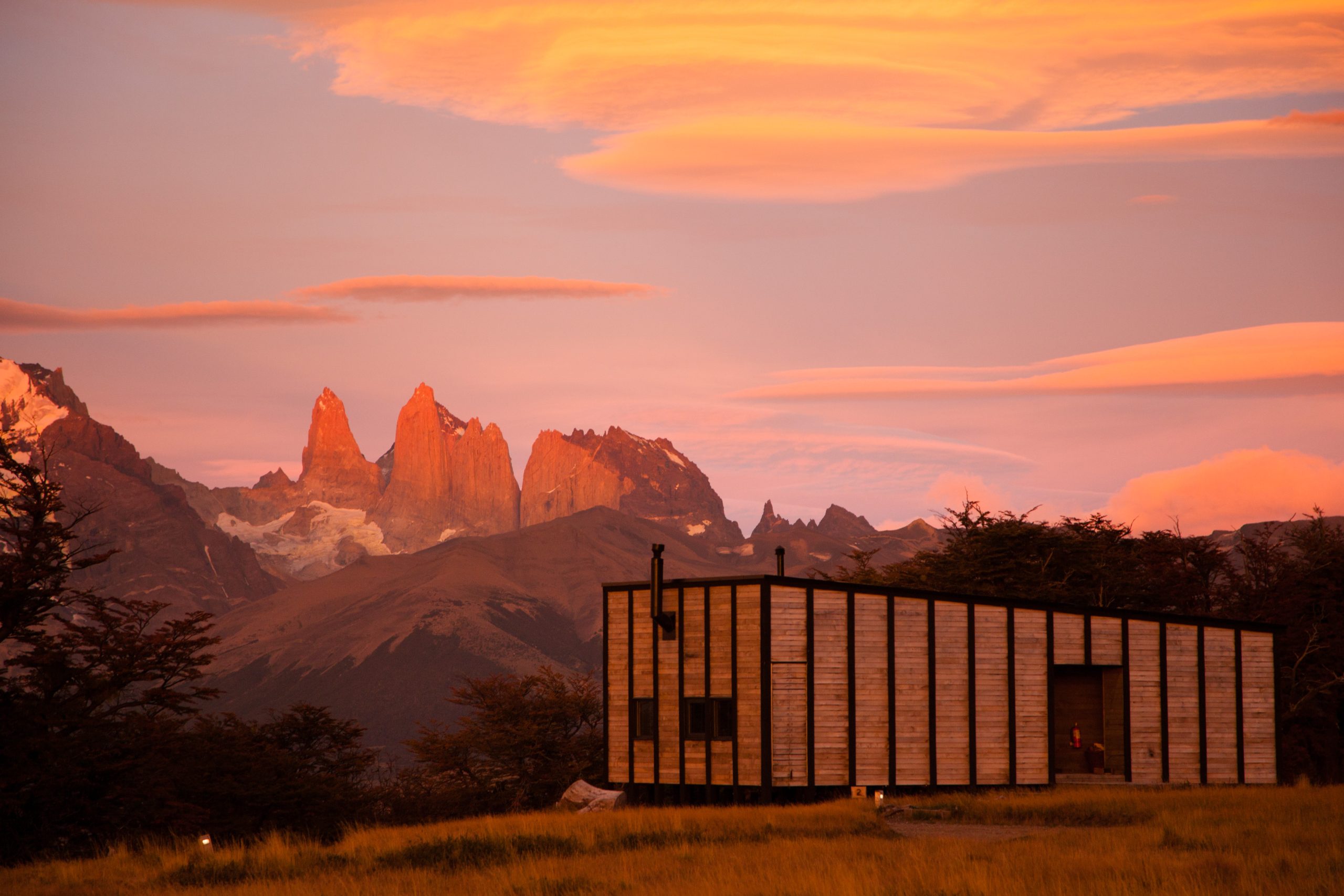
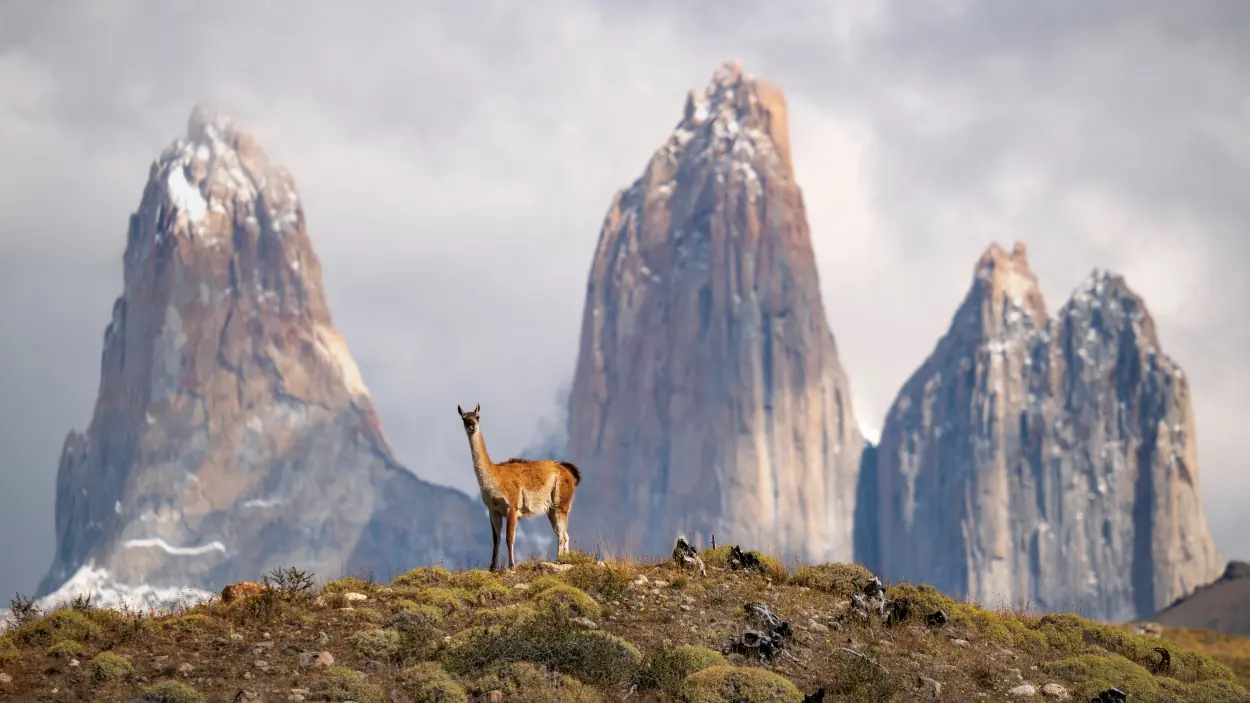
In Patagonia, where pumas move almost unseen through the lenga forests and open grasslands, Awasi’s villas follow a similar principle of discretion.
Inspired by traditional Patagonian refuges and gaucho outposts, the structures are built in native wood, echoing the surrounding forest. Raised on stilts to preserve the native vegetation below, they open toward views of Lake Sarmiento and the Torres del Paine mountains.
Among the Treetops
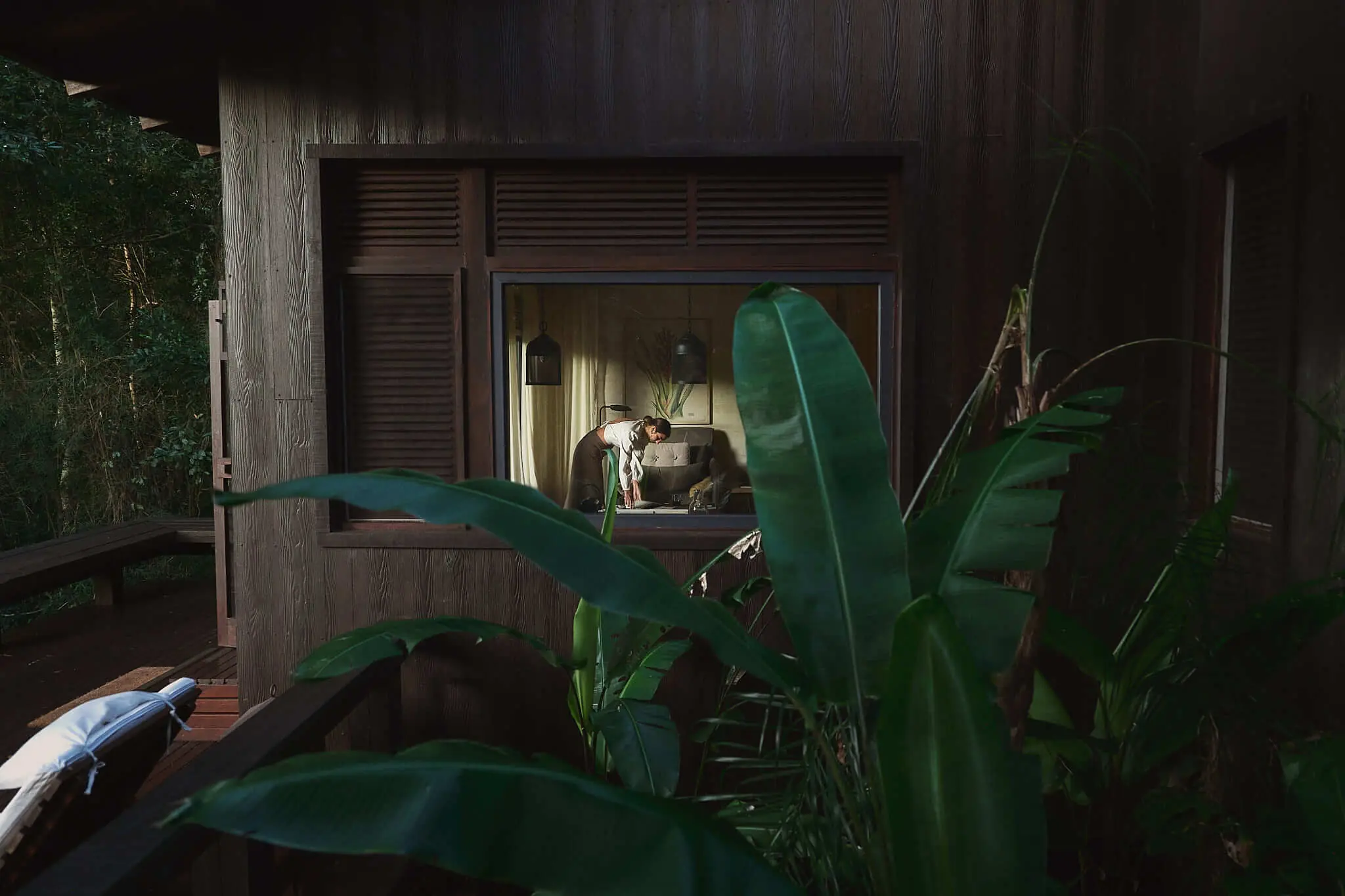
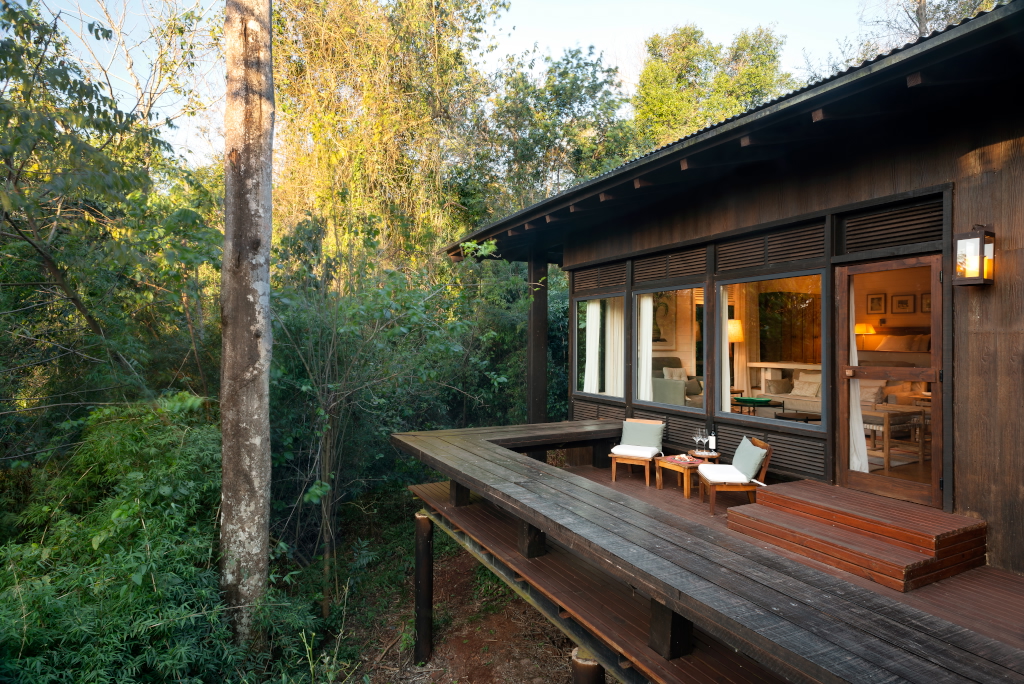
At Awasi Iguazú, our villas are scattered throughout the jungle, tucked among the trees. Also raised on stilts, they leave the forest floor largely undisturbed.
Wooden structures and natural tones echo the trunks and branches outside, while expansive windows and private terraces bring the rainforest into view.
Rooted in the Land
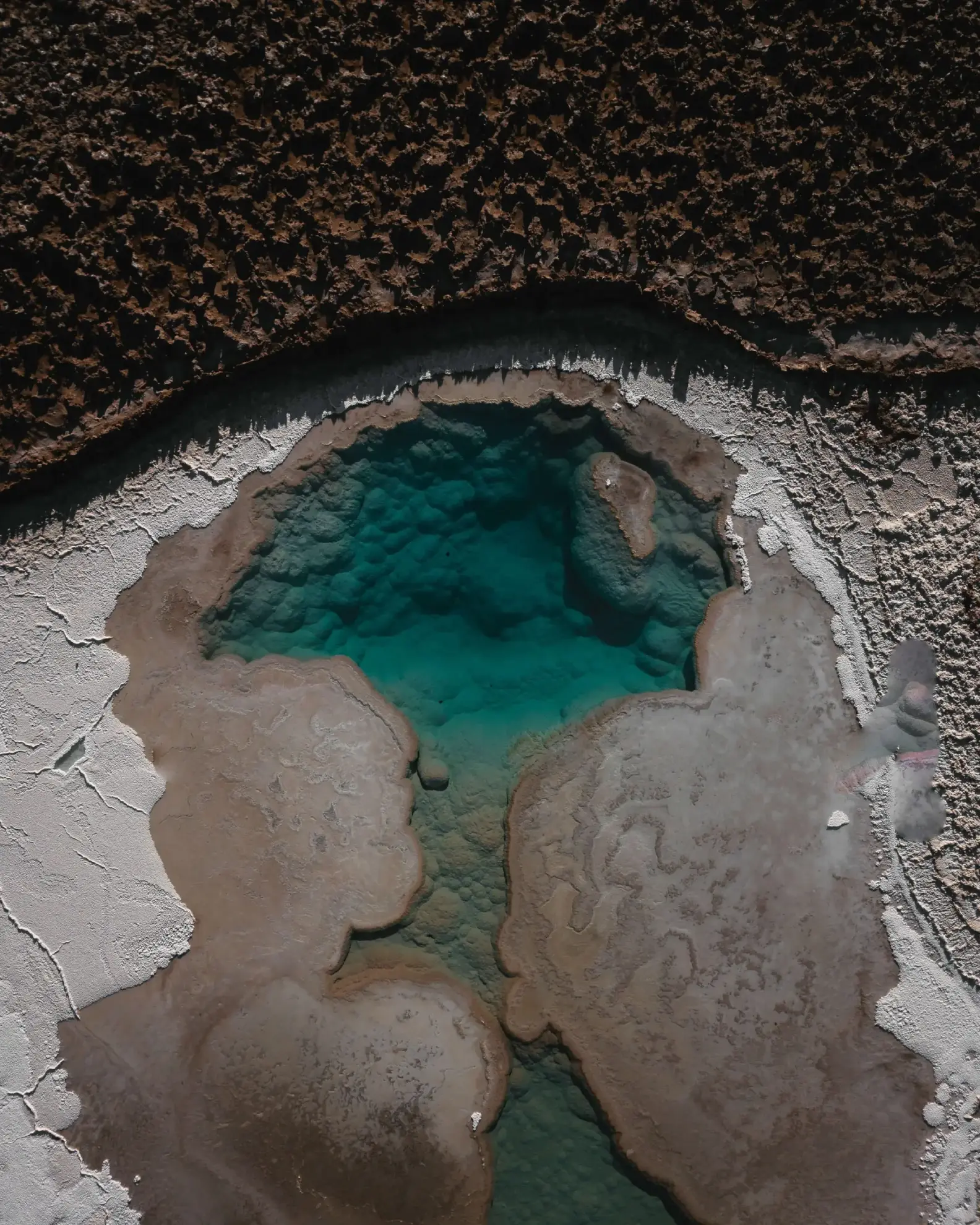
Awasi Atacama draws on the traditional building techniques of northern Chile. Inspired by the circular dwellings of the ancient settlement of Tulor, the rooms are built using adobe, stone, and thatch. Their earthy colors mirror the surrounding desert and mountains.
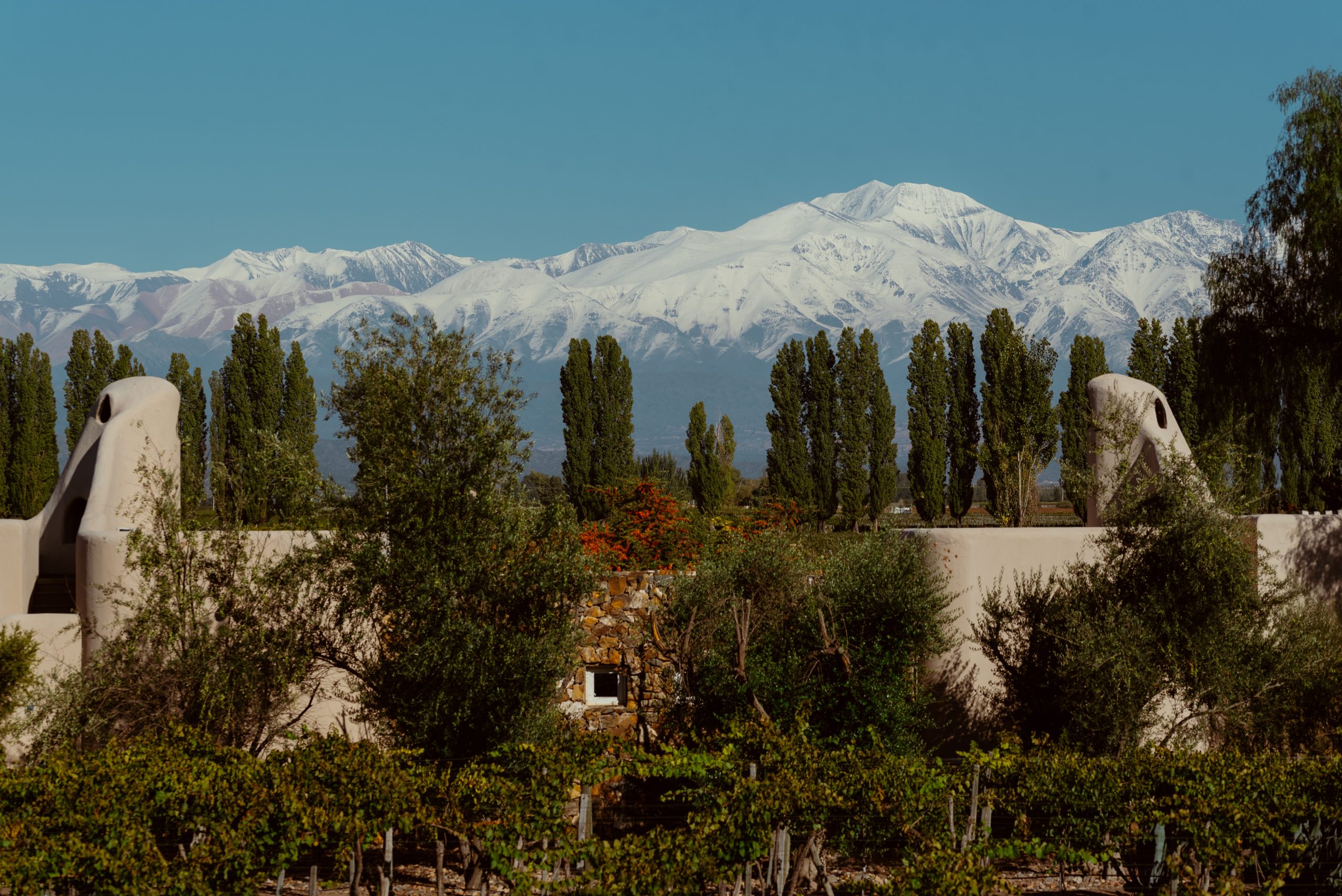
At the foothills of the Andes, Awasi Mendoza draws inspiration from the region’s Spanish colonial architecture. Surrounded by vineyards, its villas feature natural tones and understated forms that complement the landscape.
Between Forest and Sea
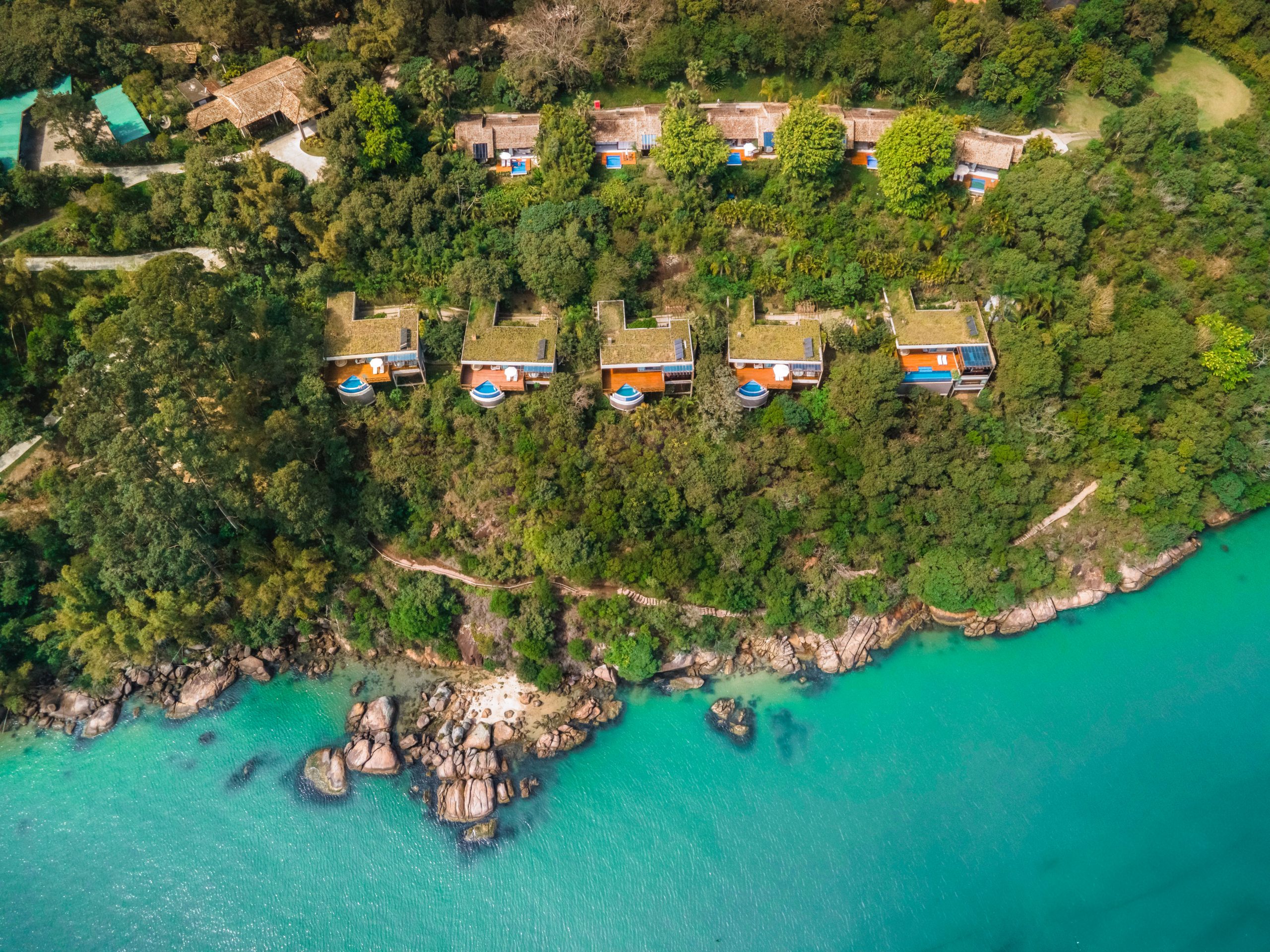
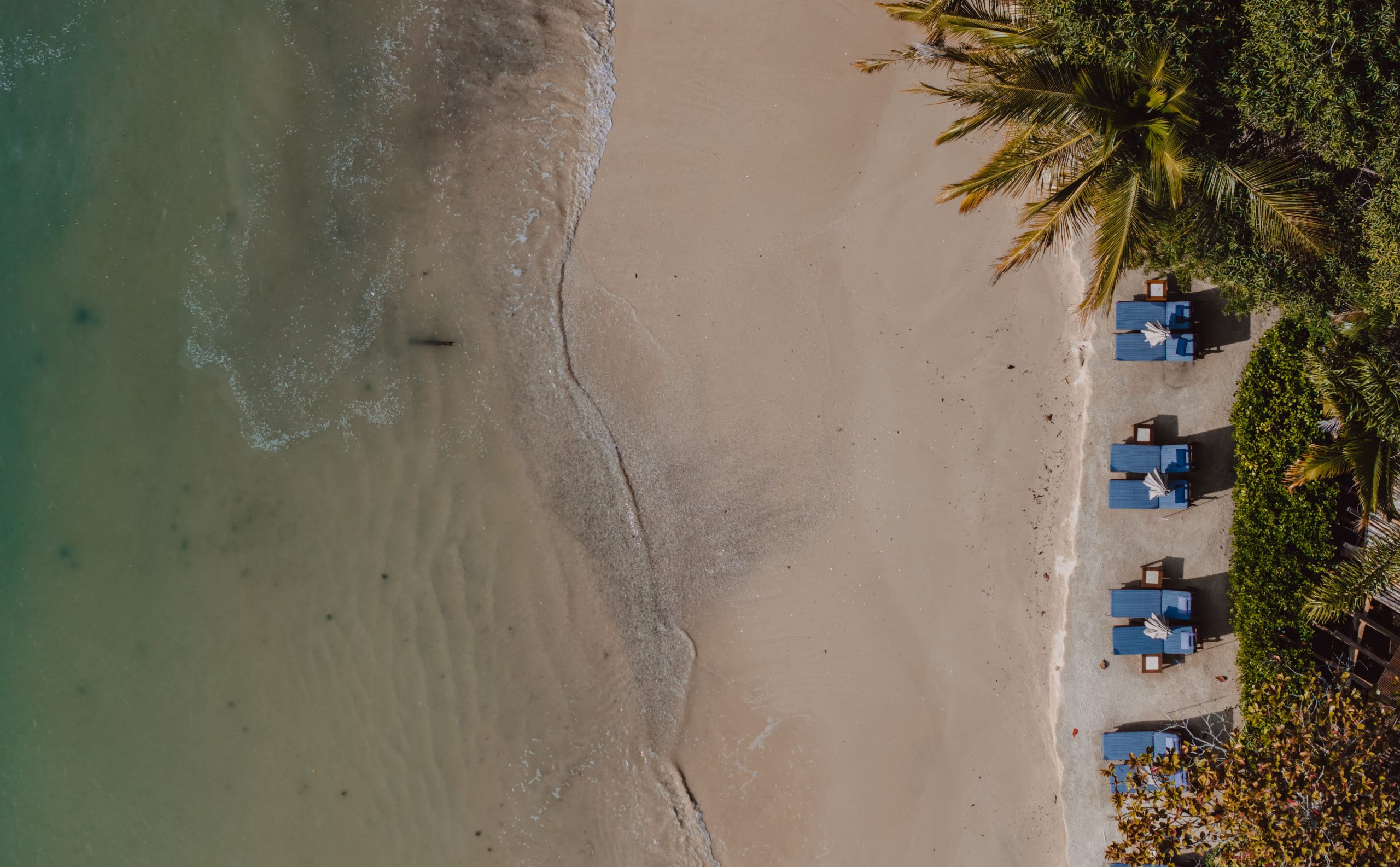
At Awasi Santa Catarina, reforested wood and green roofs help the villas blend into the coastal vegetation. Individual solar panels harness the region’s abundant sunlight, while natural cross-ventilation helps regulate indoor temperatures, reducing the need for air conditioning.
Five lodges, one guiding principle: architecture that belongs to its surroundings, allowing nature to remain the protagonist.


You might enjoy
A Journey Takes Shape
Discover new ways to explore South America with Awasi’s curated itineraries, bringing together remarkable destinations and experiences in journeys shaped around your interests.
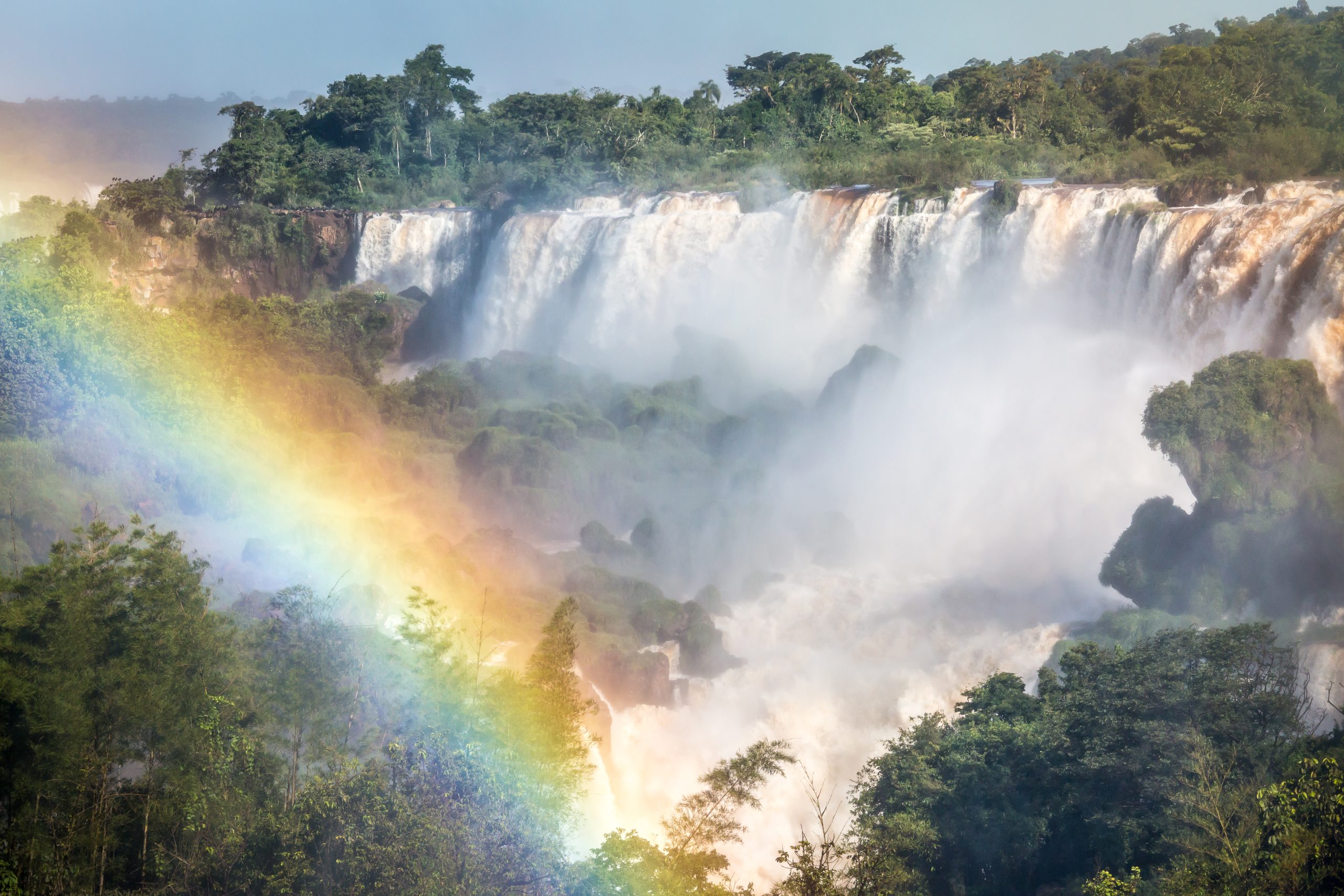
Iguazú from Both Sides
Stretching nearly 2.7 kilometers across the border of Argentina and Brazil, Iguazú Falls is a collection of around 275 waterfalls surrounded by the Atlantic Rainforest. Discover both sides of the Falls with a private guide from Awasi Iguazú, then continue your journey to the coast of southern Brazil at Awasi Santa Catarina.
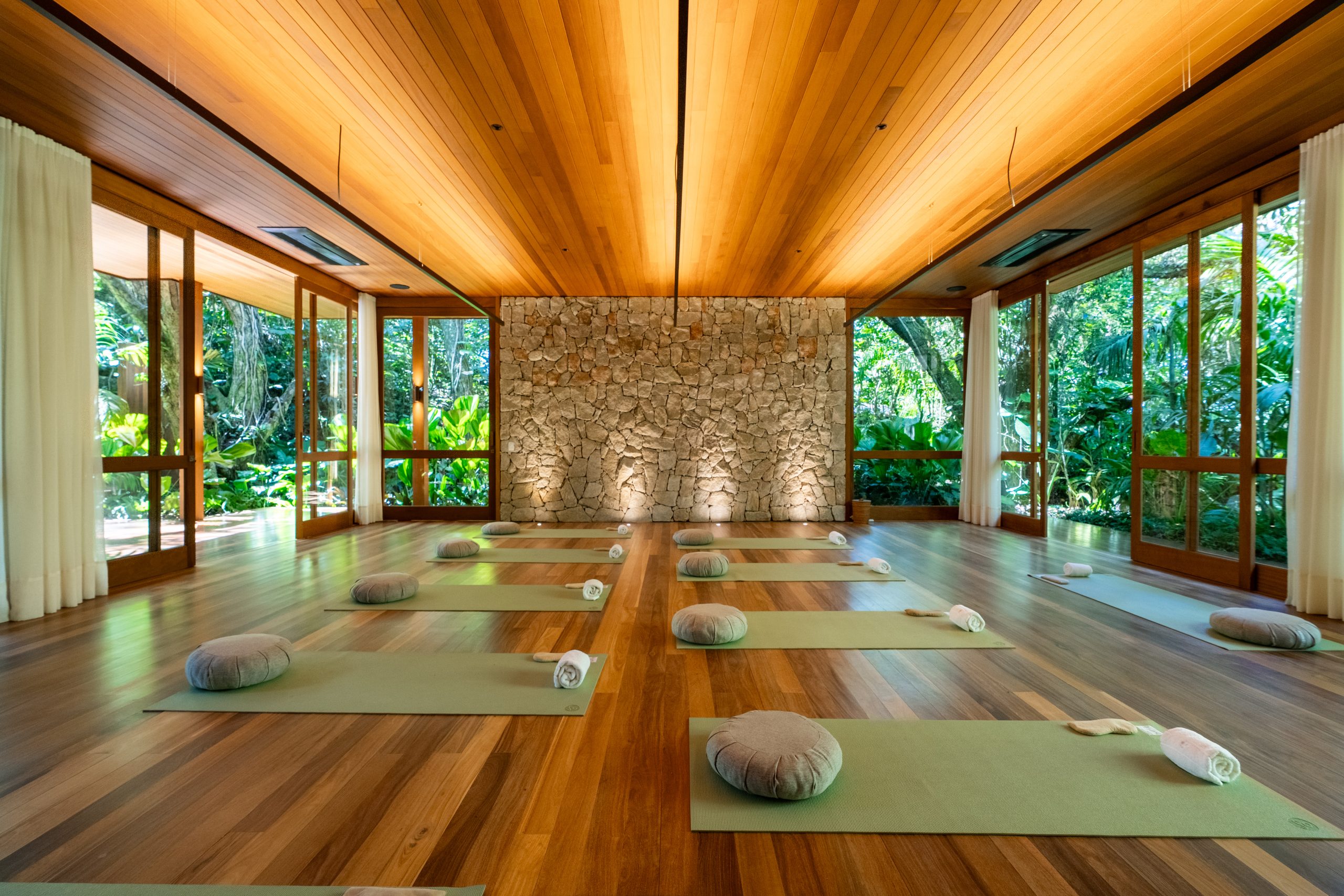
A Reset from Within
A wellness program where nutrition, movement and recovery work together to support more stable energy throughout the day. At Awasi Santa Catarina, each element is shaped by the surrounding landscape, from fresh local ingredients to forest trails and the ocean.
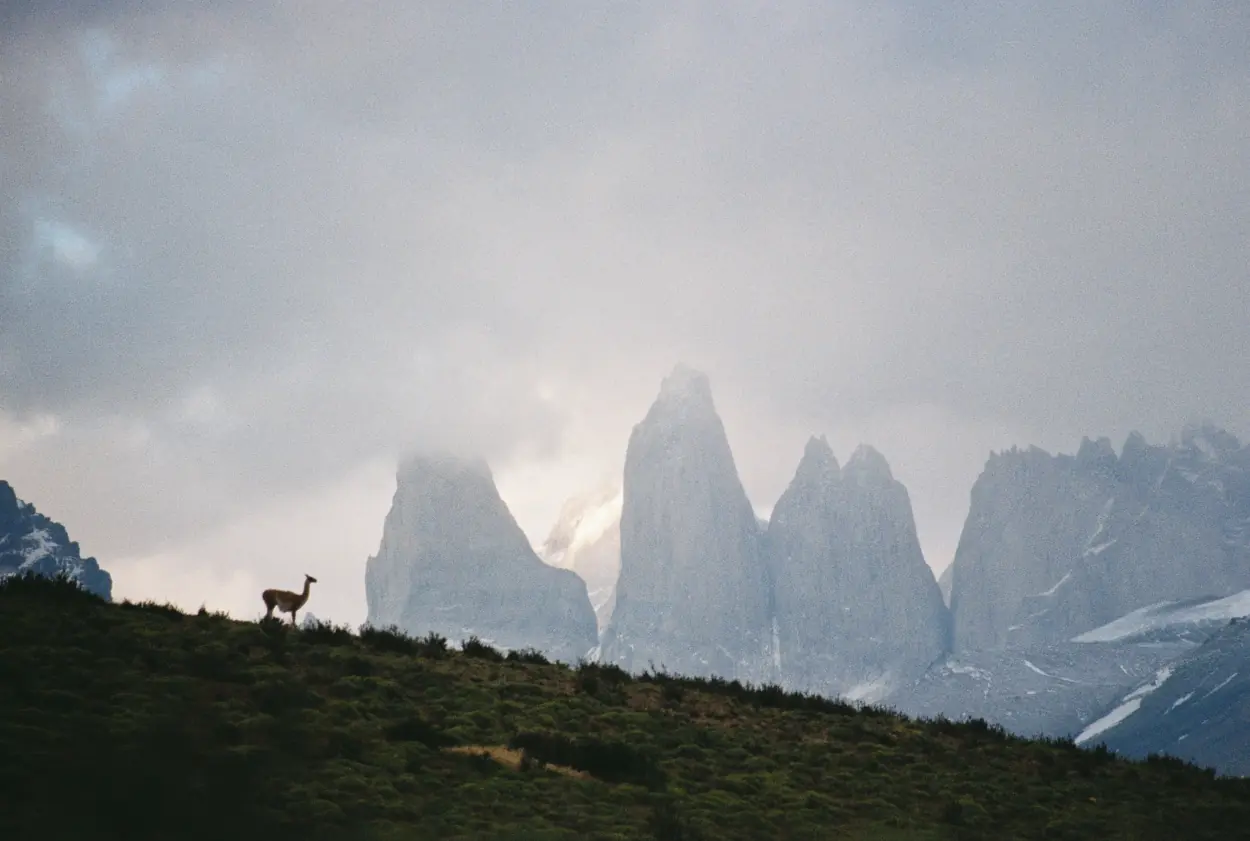
Awasi Through Our Team’s Eyes
From Patagonia’s wildlife to the jungle of Iguazú, Atacama’s vast desert, Santa Catarina’s Atlantic Forest and Mendoza’s vineyards, discover Awasi through the eyes of the people who experience these places every day.
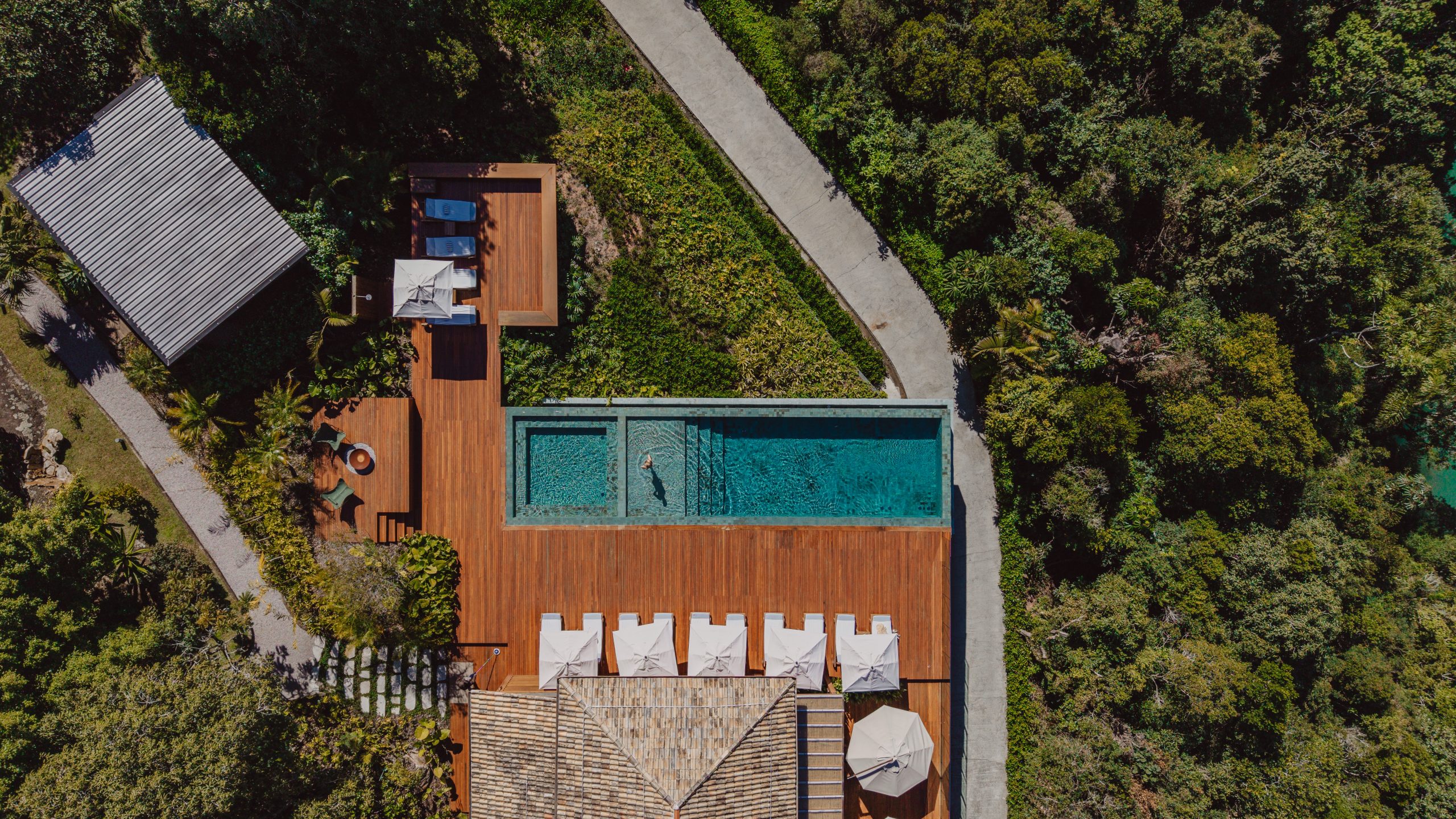
Awasi Santa Catarina Receives WITT Certification
Awasi Santa Catarina has received WITT Certification, an independent global recognition of hotels and resorts where wellness is thoughtfully integrated into the guest experience.
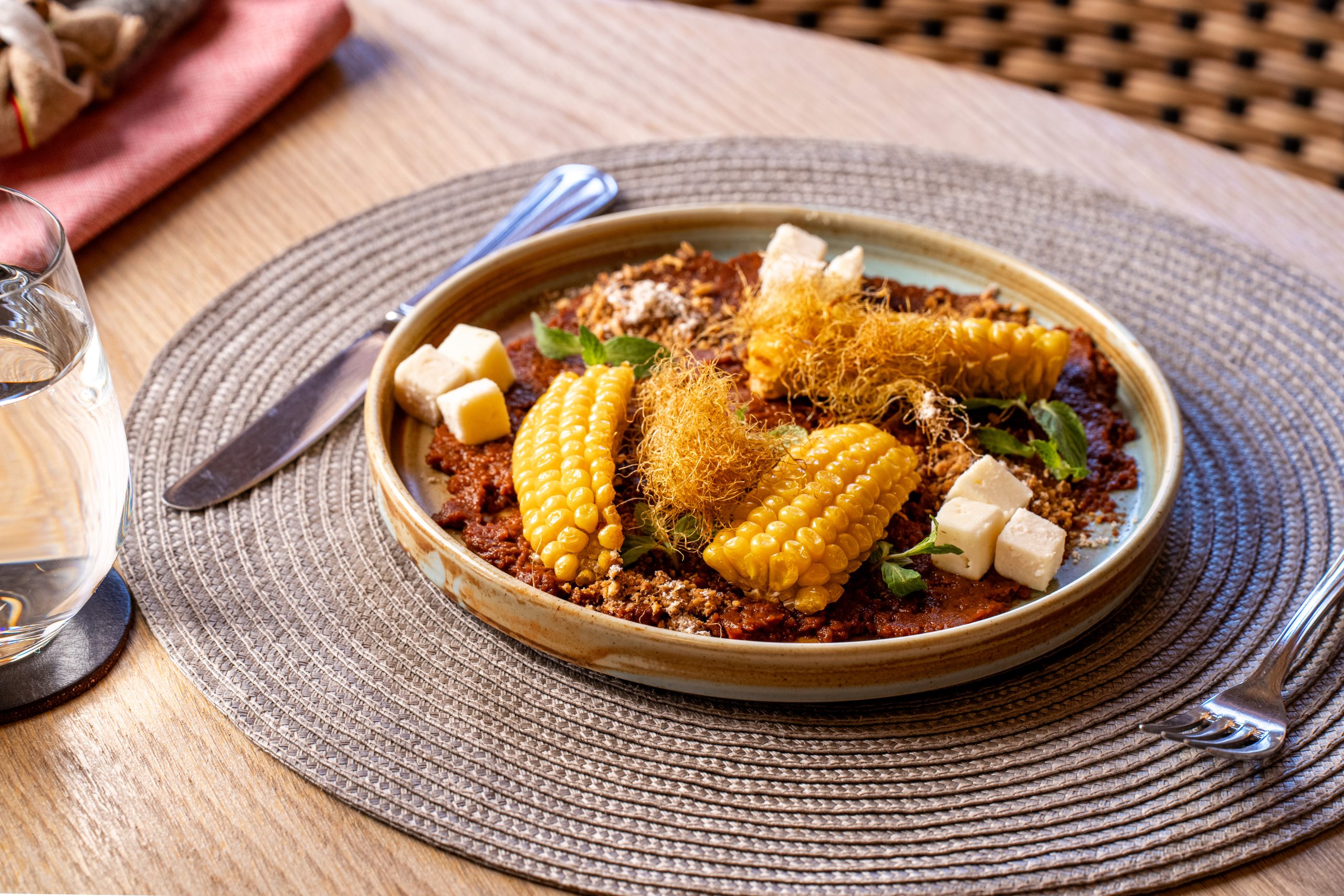
Tasting Atacama
Chef Sebastián Prieto and his team introduce a new menu at Awasi Atacama, with seven dining experiences inspired by the landscapes, ingredients, traditions, and natural cycles of the desert.
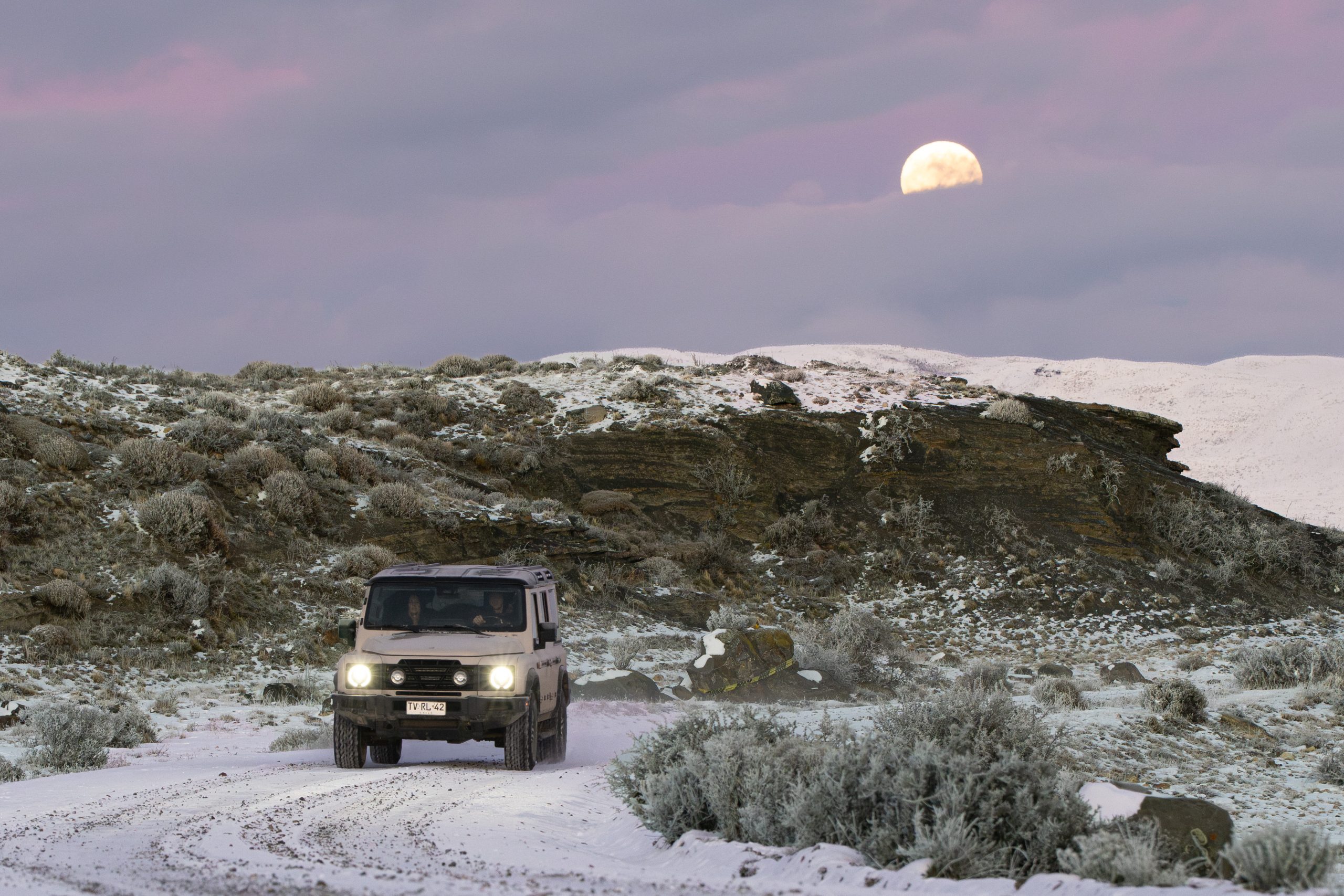
Winter at Awasi Patagonia: What’s New for 2027
Winter reveals a different side of Patagonia. In 2027, Awasi Patagonia introduces private Puma Tracking within its 7,000-acre reserve, alongside the new Cenit Villas and a season of tailor-made exploration.
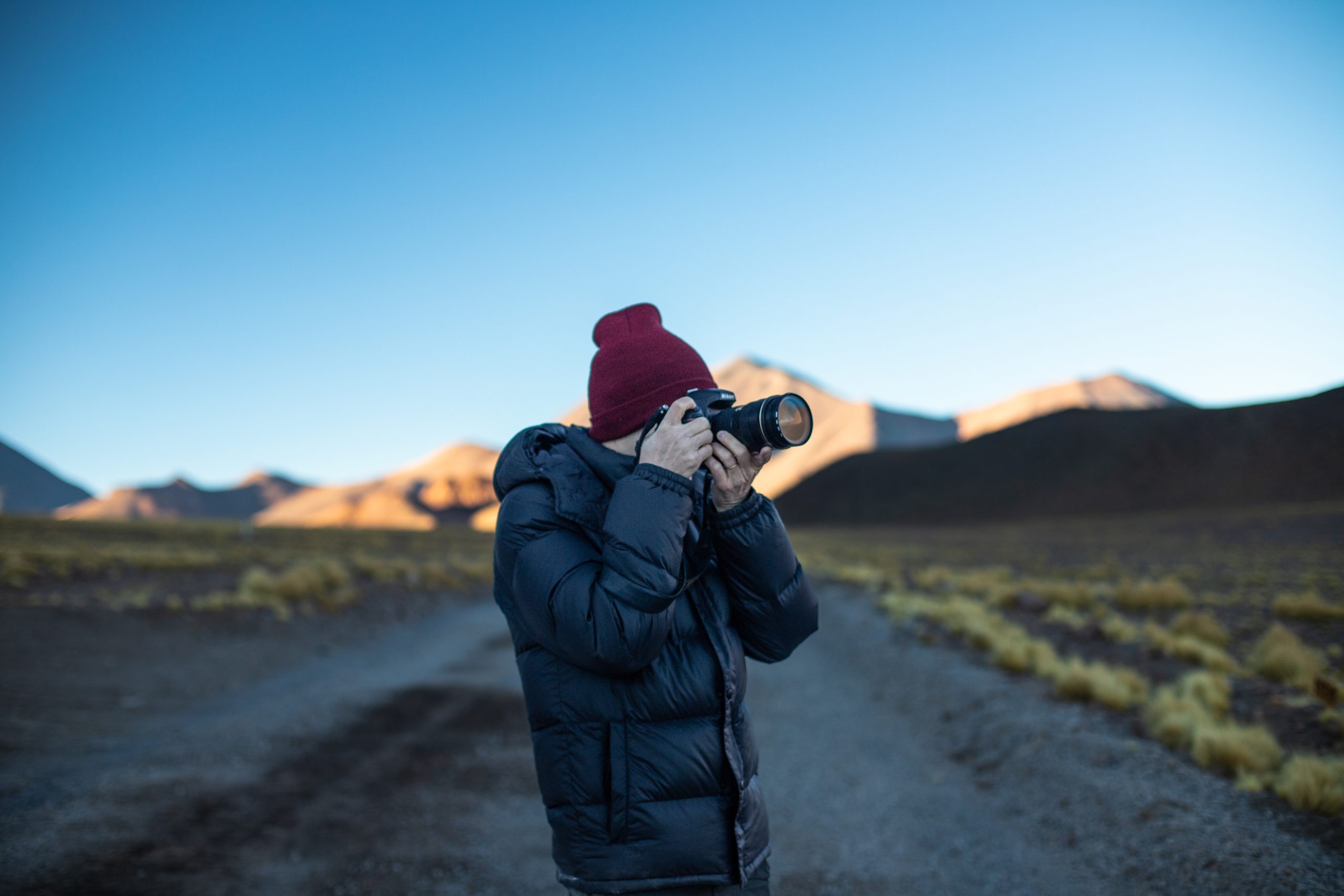
When Landscape Becomes Part of the Work
What happens when artists are given time to experience a place before deciding what to make of it? The Awasi Artist Immersion brings artists into close contact with the landscapes, cultures and communities of Awasi destinations, allowing each to create work shaped by what they encounter.
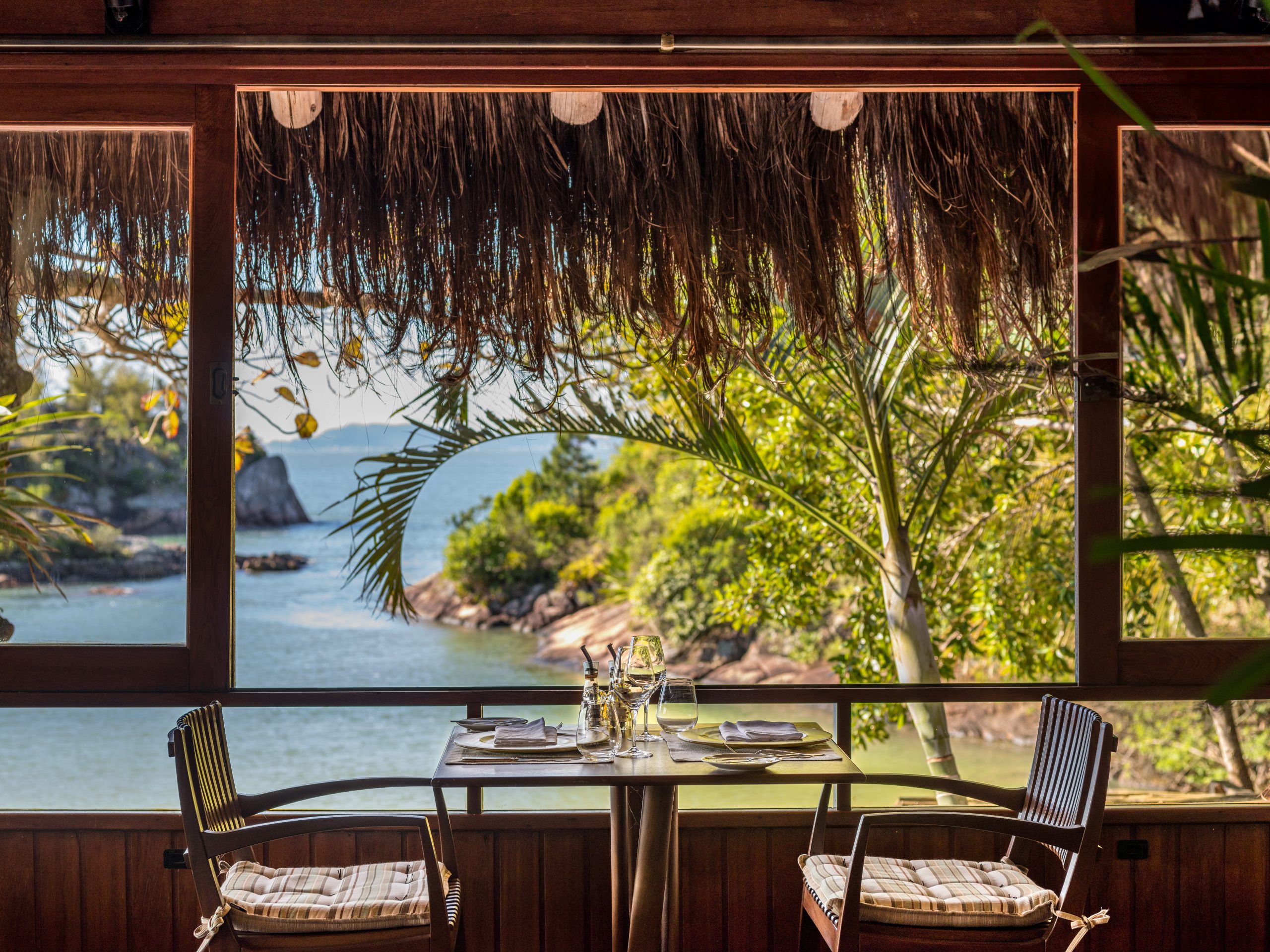
Twenty-Five Years by the Sea
For twenty-five years, Awasi Santa Catarina has grown alongside the landscape and community of Governador Celso Ramos. From the people who have been part of its story since the beginning to the native forest, organic garden and traditions of the surrounding coast, discover the history of a place shaped by enduring connections.
Vineyards or Rainforest, Then the Sea
Celebrate the festive season under southern skies with private journeys through the Atacama Desert, Patagonia, Mendoza, Iguazú, and Brazil's Emerald Coast.
Celebrate Under Southern Skies
Celebrate the festive season under southern skies with private journeys through the Atacama Desert, Patagonia, Mendoza, Iguazú, and Brazil's Emerald Coast.
Recognized Around the World
From Michelin Keys to Travel + Leisure, discover Awasi's latest awards and international recognition celebrating personalised travel across South America.