The Tehuelches Indians: the native tribes of Patagonia
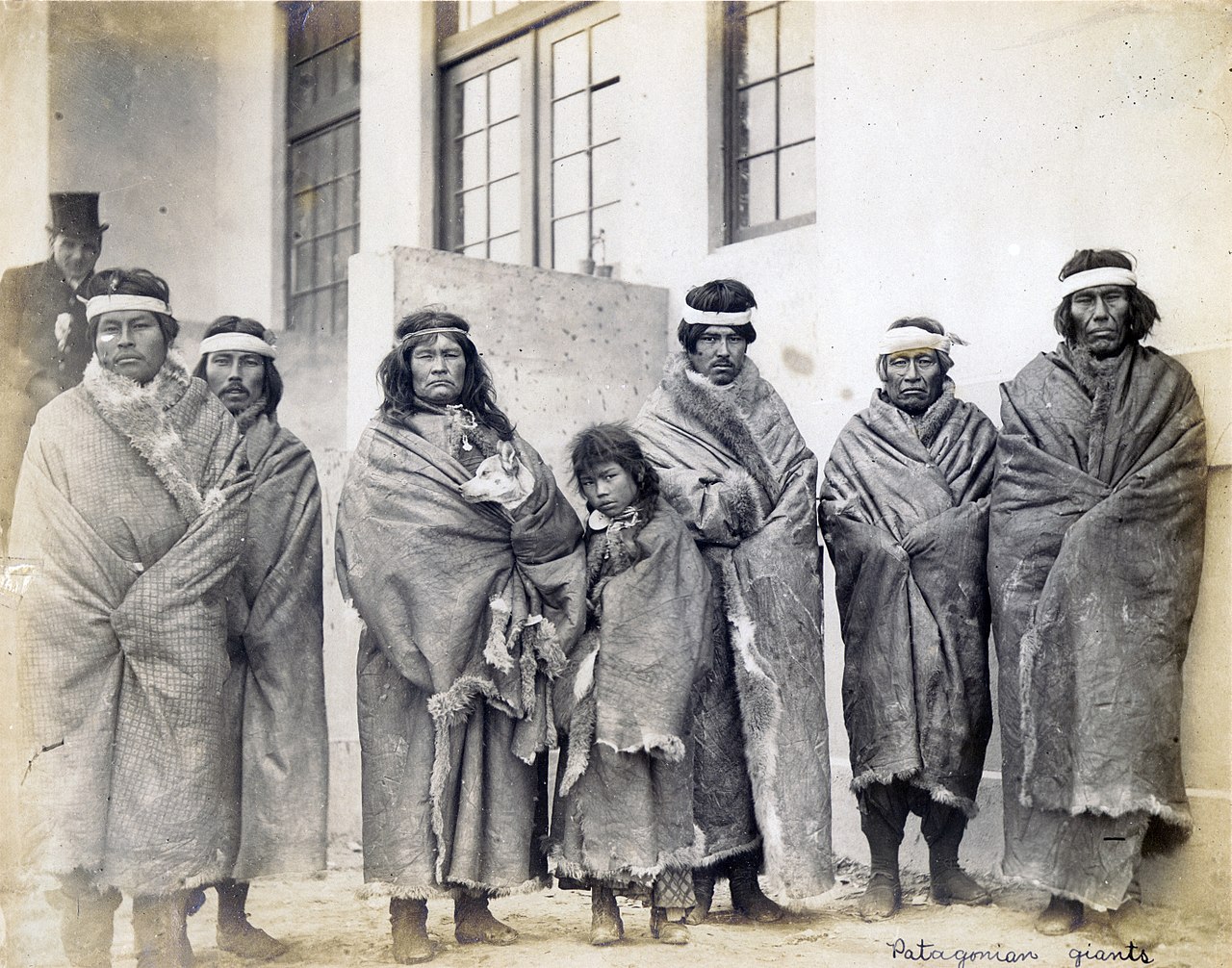
Sadly, disease and conflict brought about the demise of these people, but when the channels of Patagonia and Tierra del Fuego were first navigated, visitors happened upon a unique culture.
The Tehuelches, also known as the Aónikenk, were the indigenous inhabitants of Patagonia for thousands of years before European contact. These nomadic hunter-gatherers developed a sophisticated understanding of their harsh environment and created a rich cultural tradition adapted to life on the windswept steppes.
A Nomadic Life
The Tehuelches were skilled hunters who followed the seasonal migrations of guanacos across the Patagonian plains. They lived in portable toldos (tents) made from guanaco hides and moved their camps regularly to follow game and find fresh pastures for their horses.
“They were a tall race of men, their average height being six feet, with some individuals reaching six feet four inches.” – Early European observer
Their society was organized into small bands led by caciques (chiefs) who were chosen for their wisdom and leadership abilities. The Tehuelches had a complex spiritual life, with beliefs centered around a supreme being and various spirits that inhabited the natural world.
Cultural Legacy
The arrival of Europeans in the 16th century marked the beginning of profound changes for the Tehuelches. Disease, particularly smallpox, devastated their population. The introduction of horses transformed their way of life, allowing them to hunt more efficiently but also bringing them into conflict with other indigenous groups.
By the late 19th century, the expansion of sheep ranching and military campaigns had displaced most Tehuelches from their traditional lands. Today, only a few thousand people of Tehuelche descent remain, working to preserve their language and cultural traditions.
At Awasi Patagonia, we honor the memory of the Tehuelches and their deep connection to this land. Their legacy lives on in place names, in the techniques used by modern gauchos, and in the stories passed down through generations.
You might enjoy
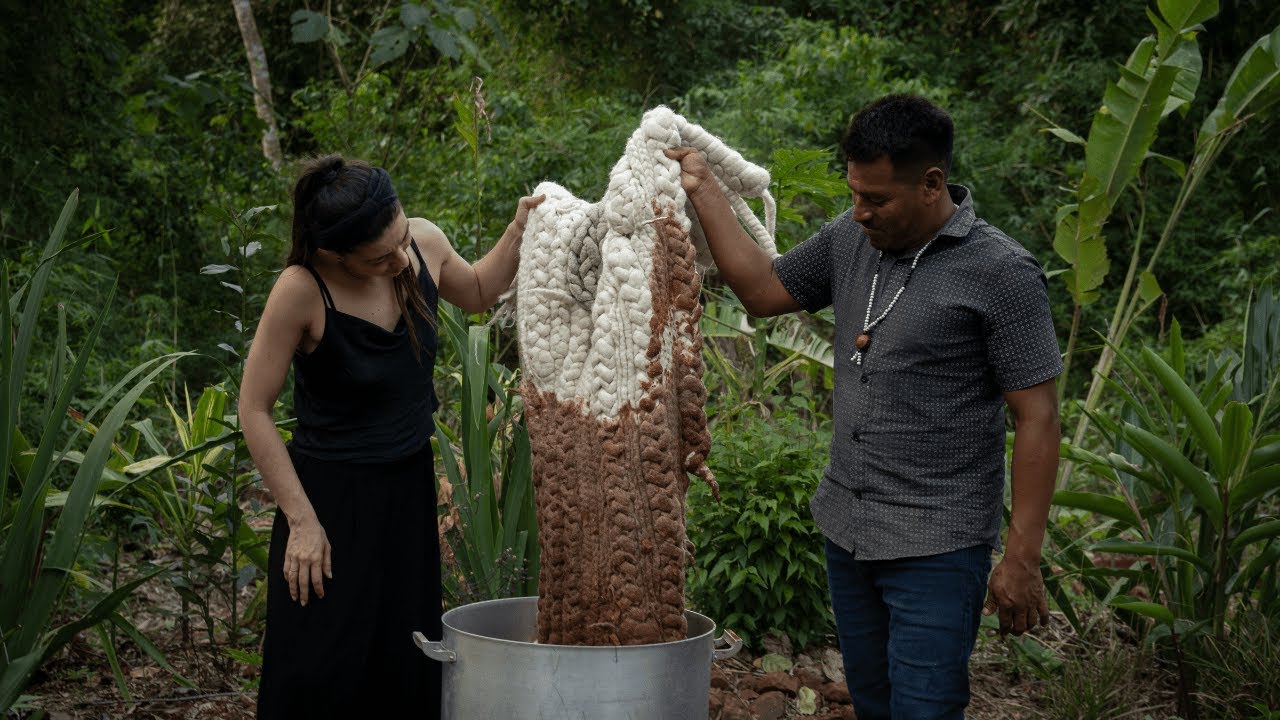
Awasi Artist Immersion – Carolina Salom
Textile artist Carolina Salom delved into the world of natural dyes, experimenting with Misiones' iconic red Ñau mud, various jungle fungi, yerba mate, and roots from local trees.
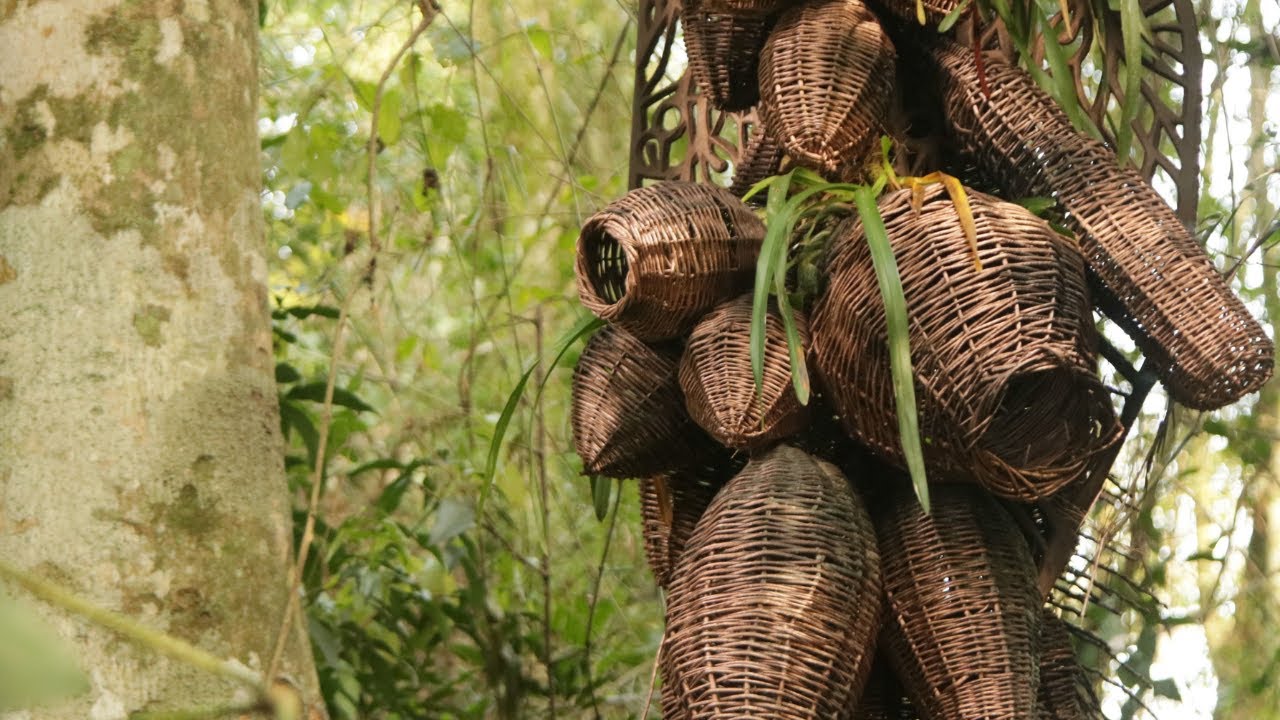
Awasi Artist Immersion – Andrés Paredes
Argentine visual artist Andrés Paredes returned for his second Awasi Artist Immersion programme, this time staying at the Awasi Atacama. Moving from the jungle into the otherworldly landscape of the Atacama Desert totally changed the nature of his work.
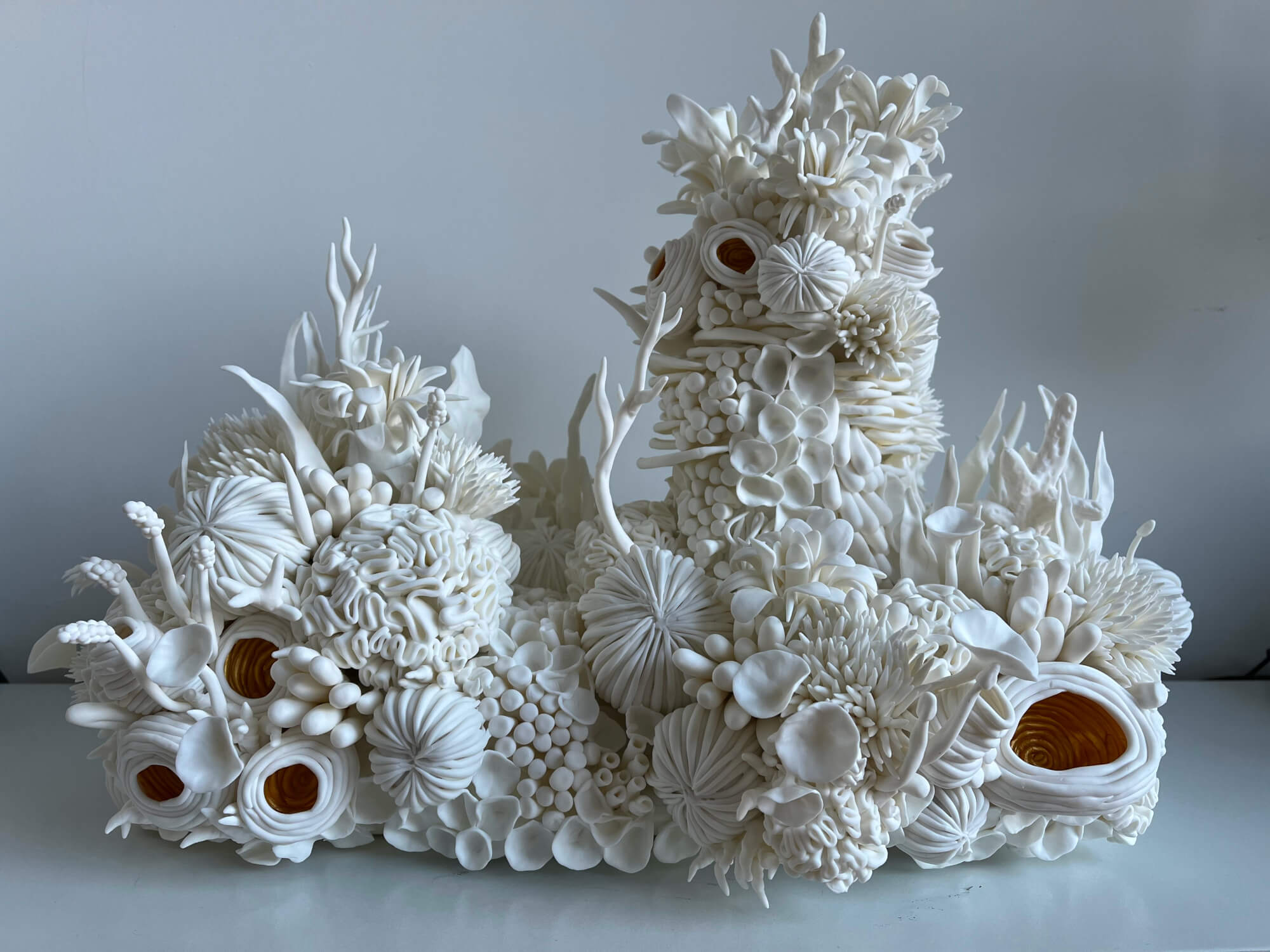
Awasi Artist Immersion – Florencia Echeverría
Visual artist and sculptor Florencia Echeverría from Rosario, Argentina, explored the Atlantic Rainforest's biodiversity and created nature-inspired installations during her residency.
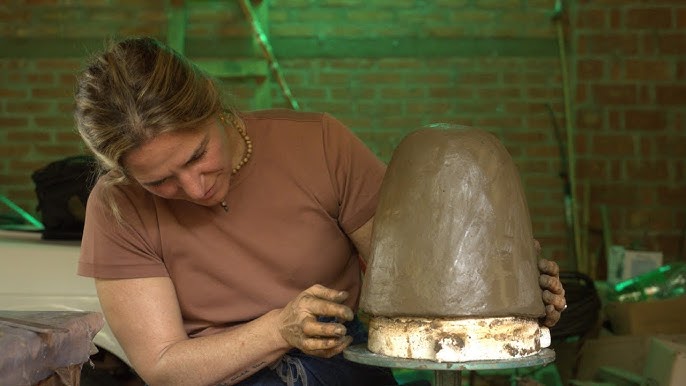
Awasi Artist Immersion – Cecilia Nigro
Argentinian ceramicist Cecilia Nigro explores the alchemy and intrinsic processes of material metamorphosis. Fragility, morphology, and the almost absence of colour permeate her works.
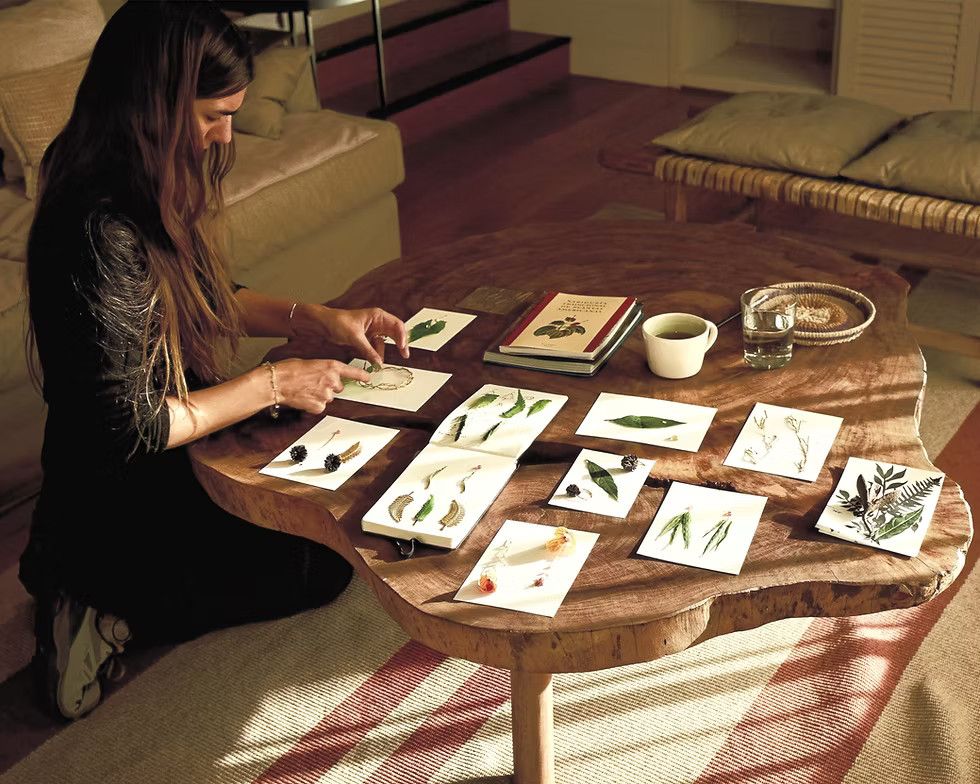
Awasi Artist Immersion – Angela Bulich
From biologist to jewellery designer, Angela Bulich creates sculptural jewellery experimentally. Everything I know about the craft I learned backwards, beginning making jewellery as art.
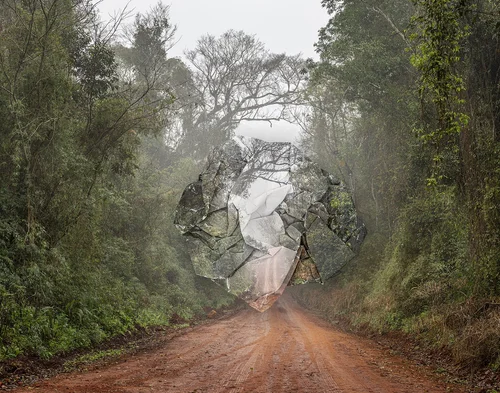
Ingrid Weyland – Topographies of Fragility
The Argentine-born artist and photographer employs a unique technique in her work: she applies crumpled images on top of her photographs to highlight the impact man has on nature.
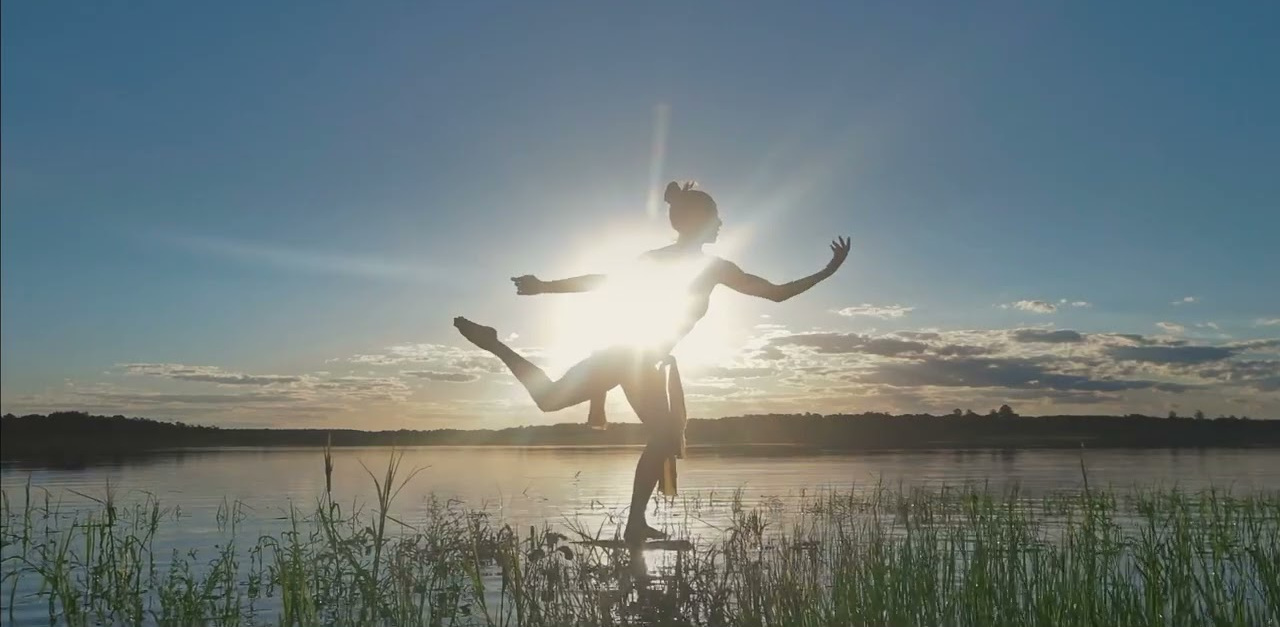
Teresa Marcaida – Nature, Art and Mankind
As you watch, as you listen to the beauty of the evening, in that extraordinary quietness when almost everything seems to be motionless, you are then in complete communion, in complete harmony, with everything about you.
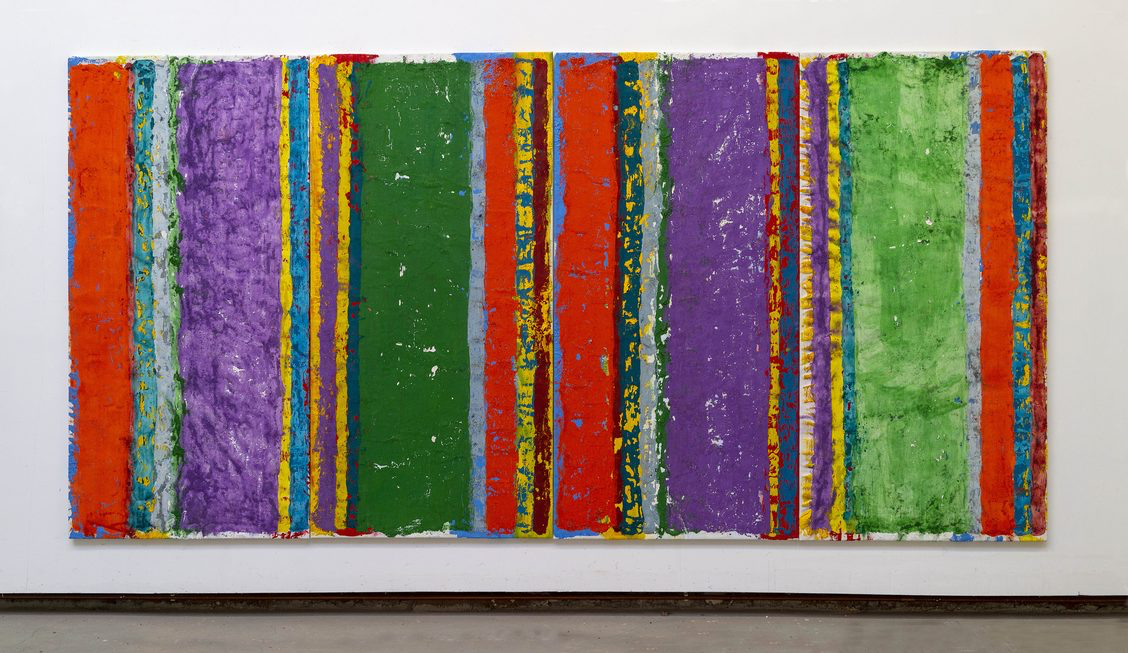
Rainer Gross – Double Takes
Contemporary artist Rainer Gross explores perception and reality through his photographic series that challenges viewers to look twice at familiar landscapes.
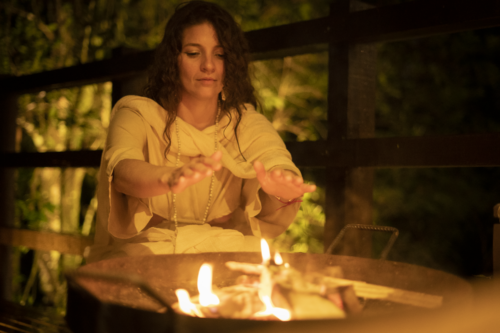
Iliana Díaz López – “Portales del Ara Pyau”
Mexican artist Iliana Díaz López creates mystical portals inspired by Guarani cosmology and the sacred landscapes of the Atlantic Rainforest.
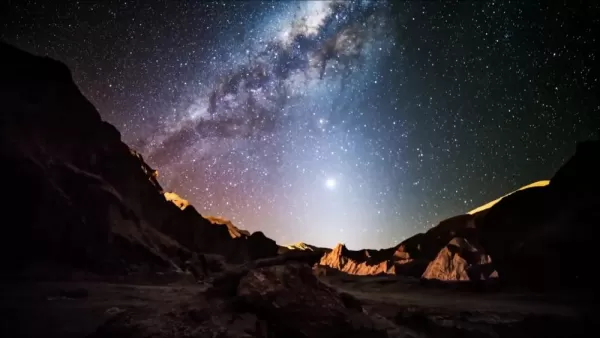
Awasi Atacama unveils new Astronomy Tour
Experience the clearest skies on Earth with our new astronomy excursion. The Atacama Desert offers unparalleled stargazing opportunities, and our expert guides will take you on a journey through the cosmos.
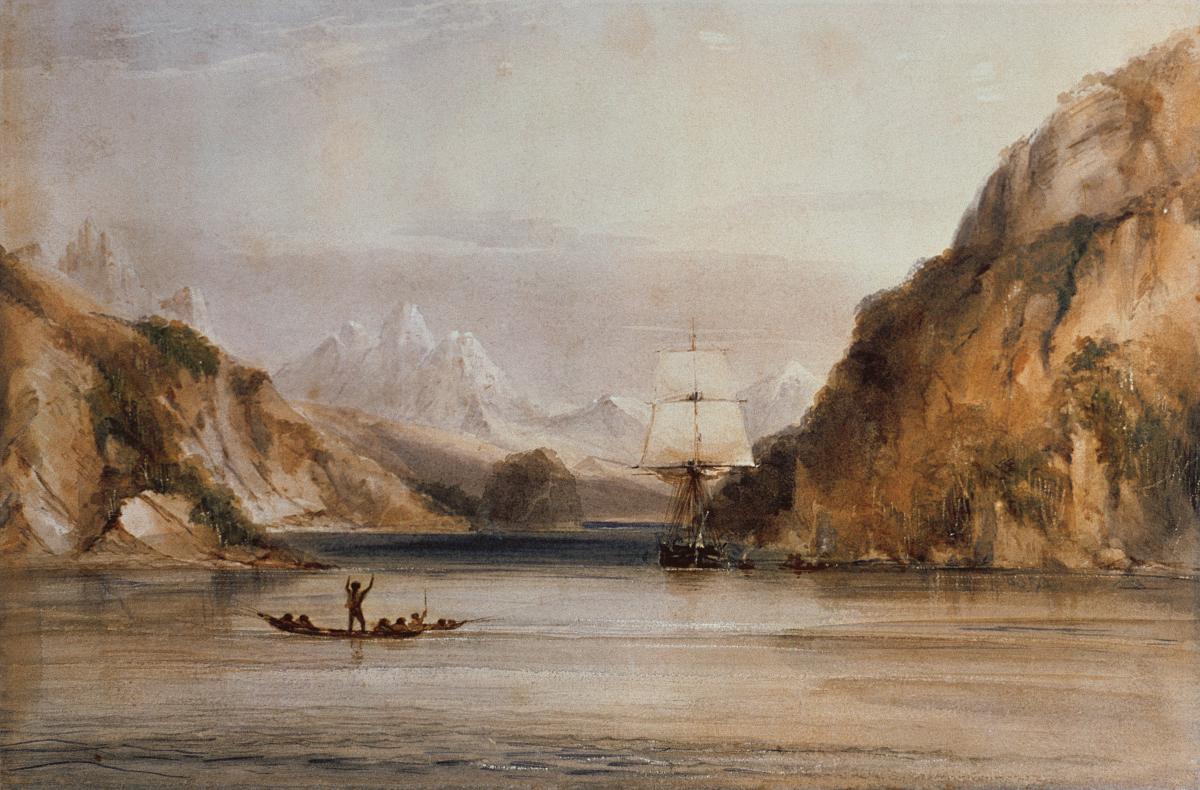
Charles Darwin in Patagonia
Charles Darwin is perhaps the most famous visitor to have touched foot in Patagonia. A renowned British naturalist and geologist, Darwin formed part of the crew on The Beagle, a chartering ship that sailed around Chile's southern cone.