
Desert Guardians: A Conversation with Tatané Durán
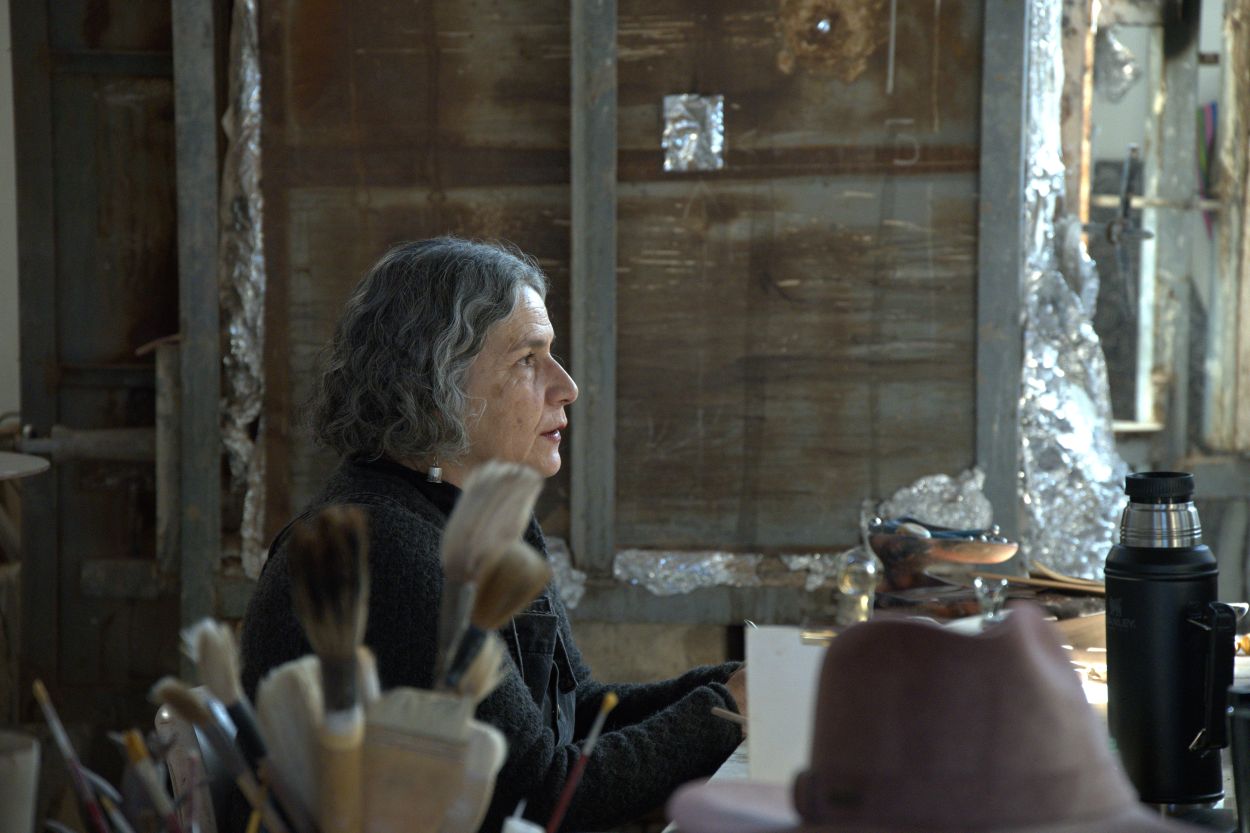
Tatané Durán Martinoya is a Chilean ceramist who has lived in San Pedro de Atacama since the 1980s. Her work is influenced by the Atacama Desert’s landscapes, ancestral cultures, and the traditions of the Likan-Antay people. She specializes in high-temperature ceramics and hand-modeling techniques, creating both functional and sculptural pieces.
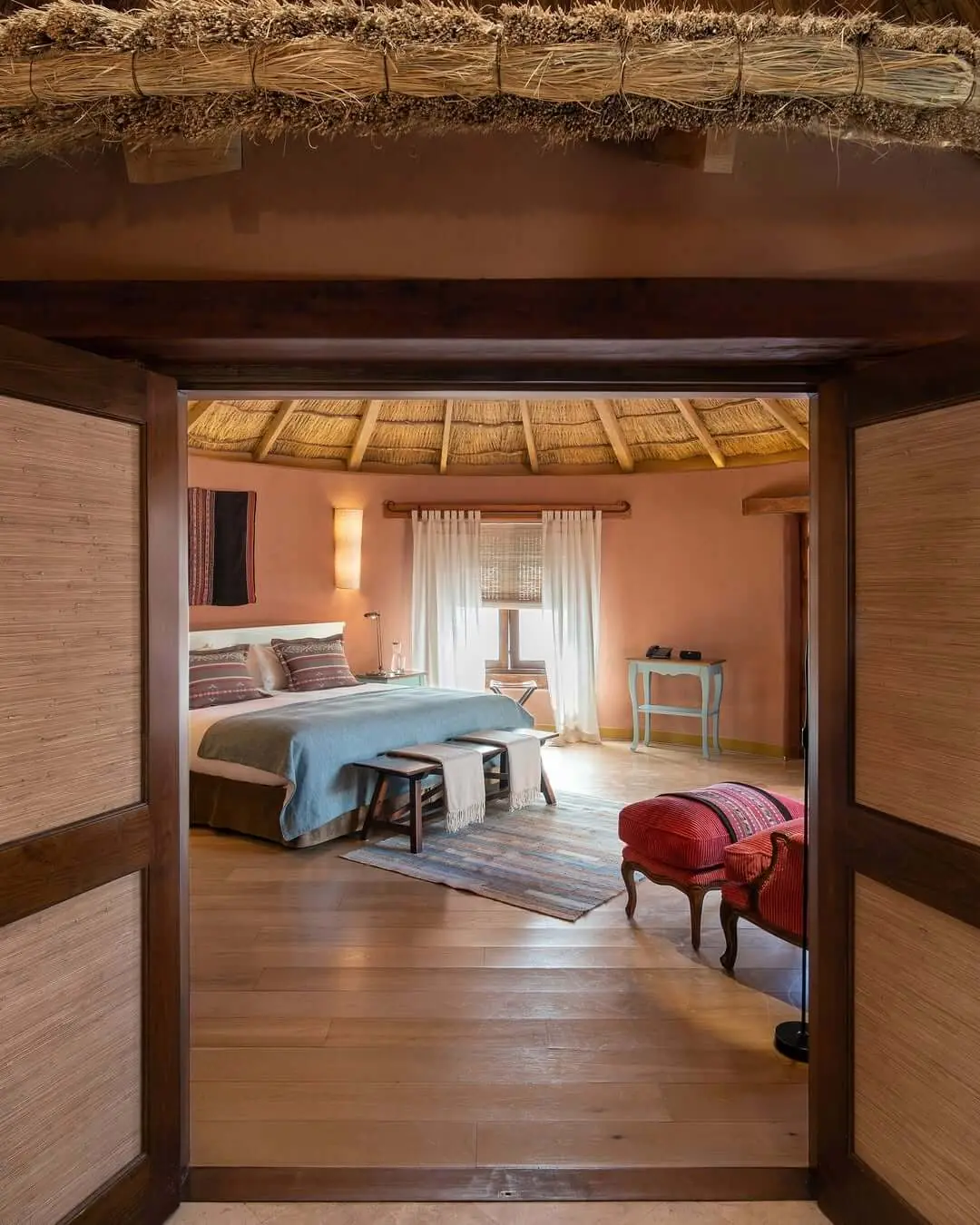
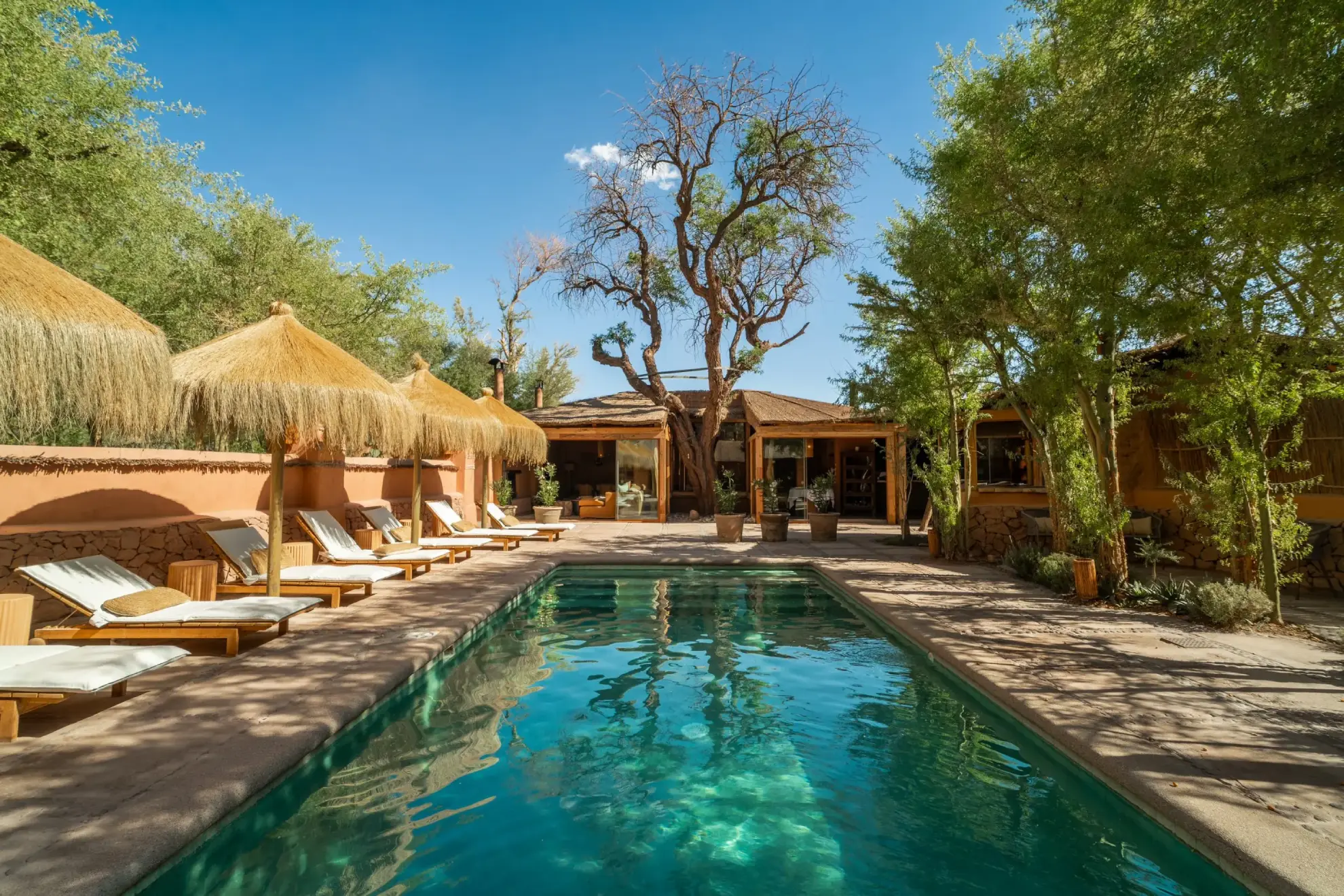
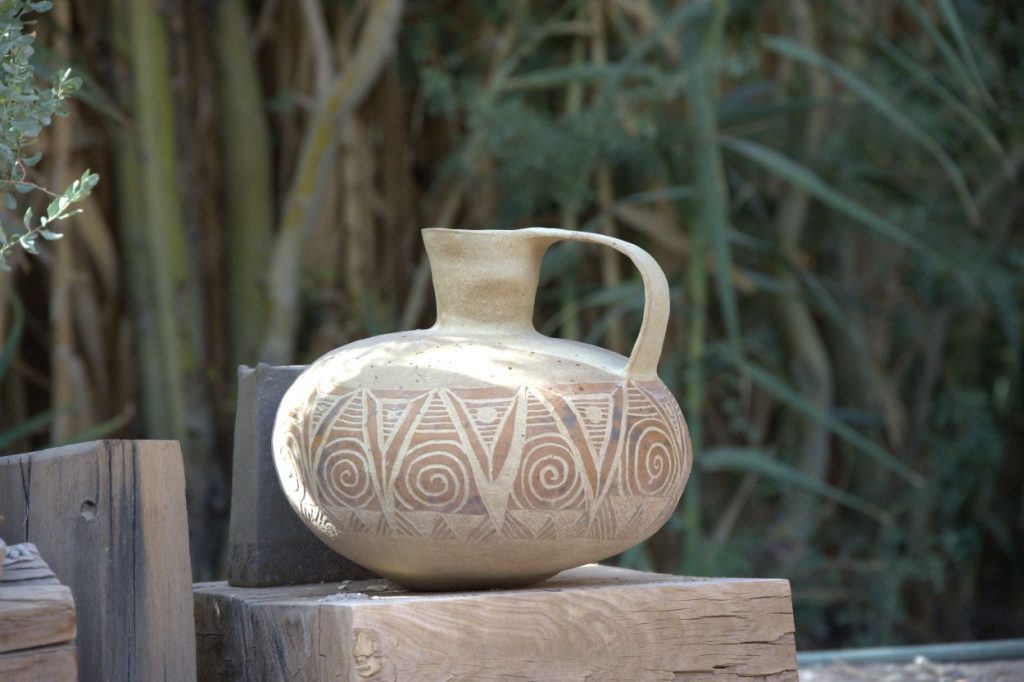
Her studio, La Mano Arte, just a few meters from our lodge in San Pedro de Atacama, continues to preserve and promote the region’s artisanal heritage through both production and teaching. At Awasi Atacama, Tatané’s ceramics adorn the common areas and bring an authentic connection to the desert landscape.
How did you start working with ceramics? Who taught or inspired you?
My connection to ceramics developed naturally. I grew up in a family of creative women, and clay and hand-modelling were part of our daily life. As a child, I learned by watching my grandmother, the sculptor Teresa Vicuña, a master of hand-modeling. Later, my mother, a visual artist and ceramist, became a great source of inspiration and passed on her knowledge and experience in high-temperature ceramic work. With this background, I set out to become a ceramist myself and have been practicing the craft for over 32 years.
What materials do you use and where do they come from?
In my work, I use clay and mineral materials sourced from different parts of Chile.
Is there a piece or symbol that represents Atacameño identity for you?
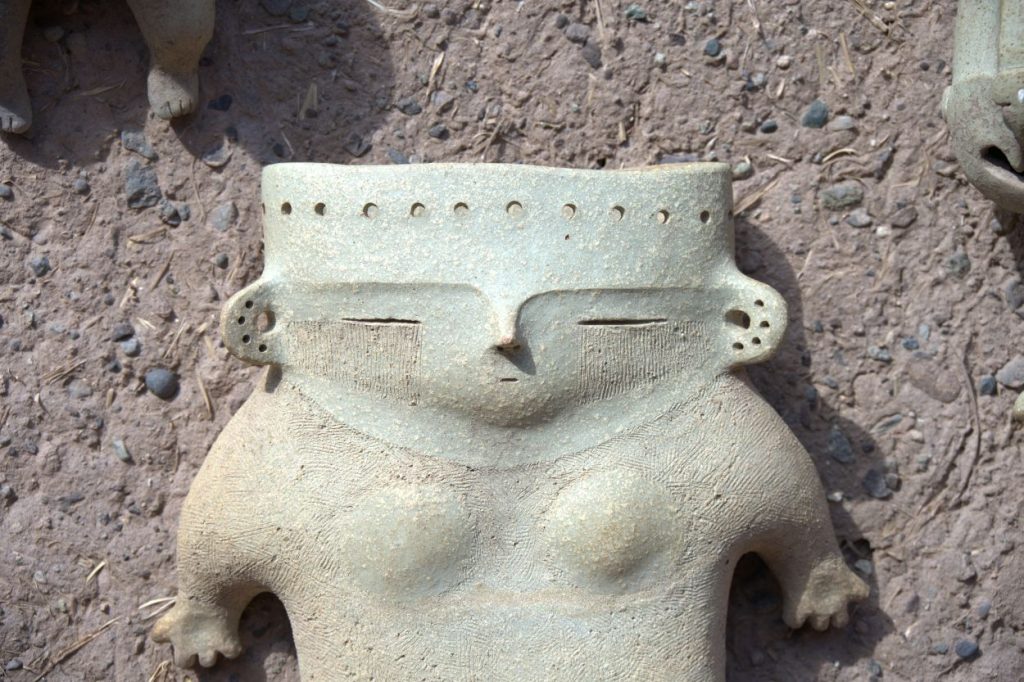
The ceramic figurines Protectores del Desierto (Desert Protectors), which received a Seal of Excellence in Craftsmanship in 2019, are inspired by local pictographs and the traditional clothing of the ancient inhabitants of the Atacama Desert.
How does the desert landscape influence your work?
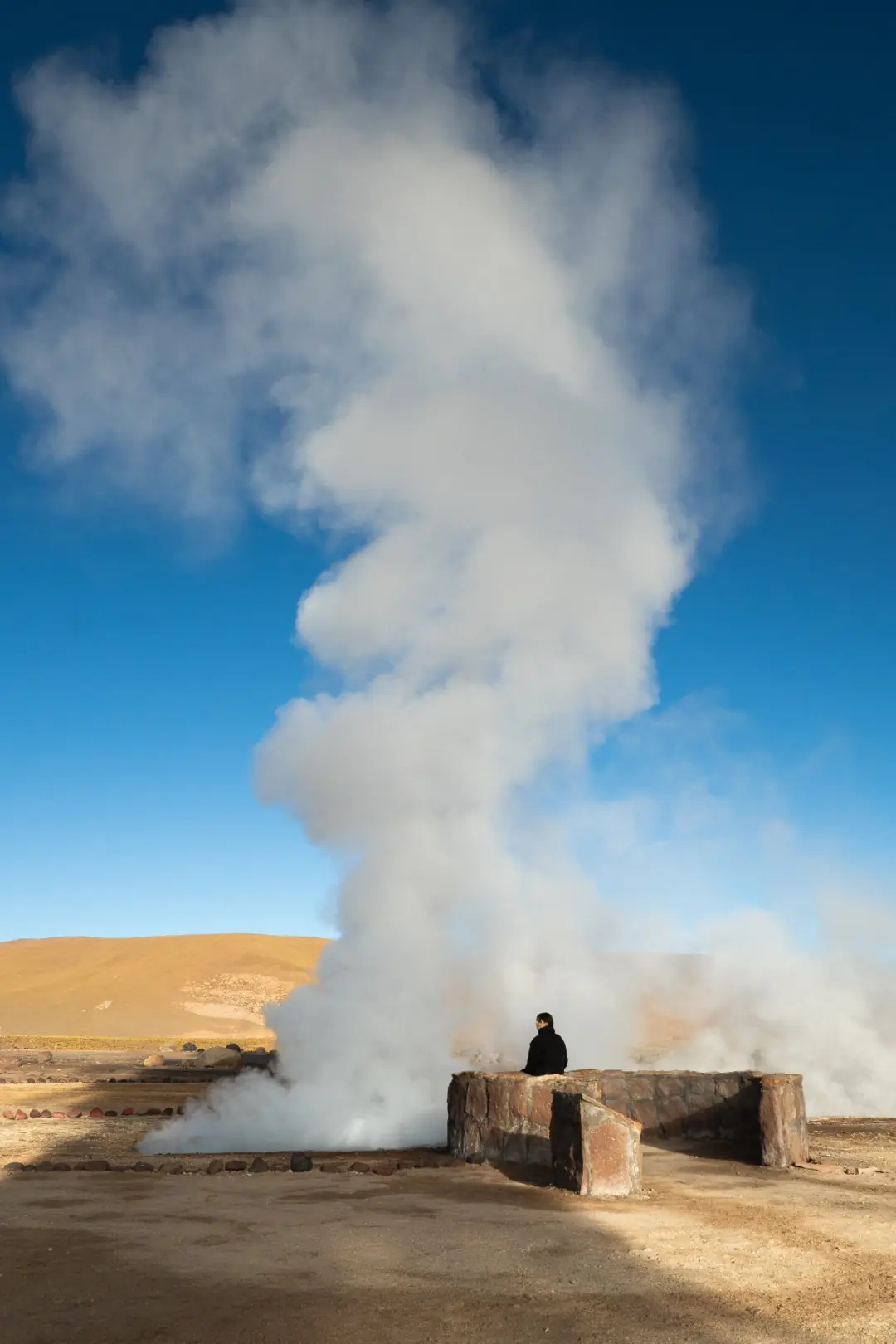
My creations are deeply inspired by the desert: its vastness, silence, and subtle colors, as well as its striking geography. The many ecosystems that shape this landscape give rhythm and form to the stories I tell through my ceramics.
What would you like visitors to take away from their time in Atacama?
A clear understanding that the Atacama Desert is a unique part of the planet. Its geography and ecosystems are fragile and irreplaceable, and belong to all of humanity as a precious treasure.
Do you think tourism can help preserve traditions? What kind of tourism would you like to see grow in this region?
Sustainable tourism, when practised with awareness, can help highlight and protect cultural heritage and local traditions. But in truth, I would prefer that tourism doesn’t continue to grow unless it shifts toward a more conscious model, one with ecological commitment, respect for the environment and its delicate, irreplaceable ecosystems, and concrete efforts to promote local culture and archaeological heritage.
At Awasi, we share this vision. Our approach to tourism is rooted in respect for the environment and the local communities that surround our lodges. With a private guide and vehicle, guests explore the destination at their own pace, forging a deep and authentic connection with the land and its culture. This ensures that tourism benefits both visitors and the places they encounter.
You might enjoy
Francisca Sutil – “Desert Watercolors”
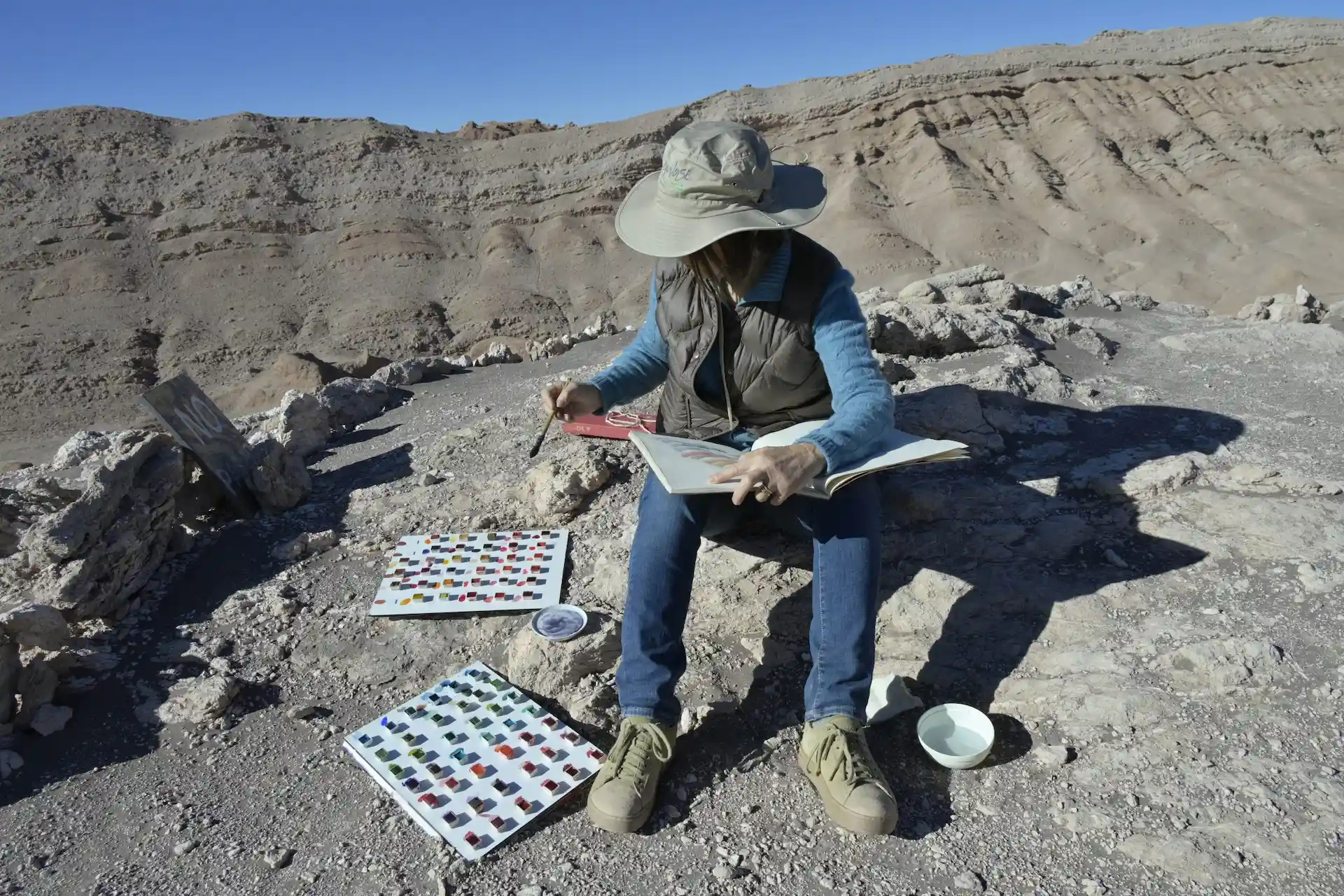
Chilean visual artist Francisca Sutil visited Awasi Atacama as part of the Awasi Artist Immersion.
She connected with the shifting hues of light and the sensations evoked by each landscape she explored alongside her private guide.
Her impressions took form in delicate watercolour traces. Back in her studio, these will serve as references for her project: creating a series of paintings that capture the essence of the pictorial landscape surrounding Awasi Atacama.
Lelli Orleans e Bragança – “Iguazú on Canvas”
Brazilian painter Lelli de Orleans e Bragança visited Awasi Iguazú as part of the Awasi Artist Immersion.
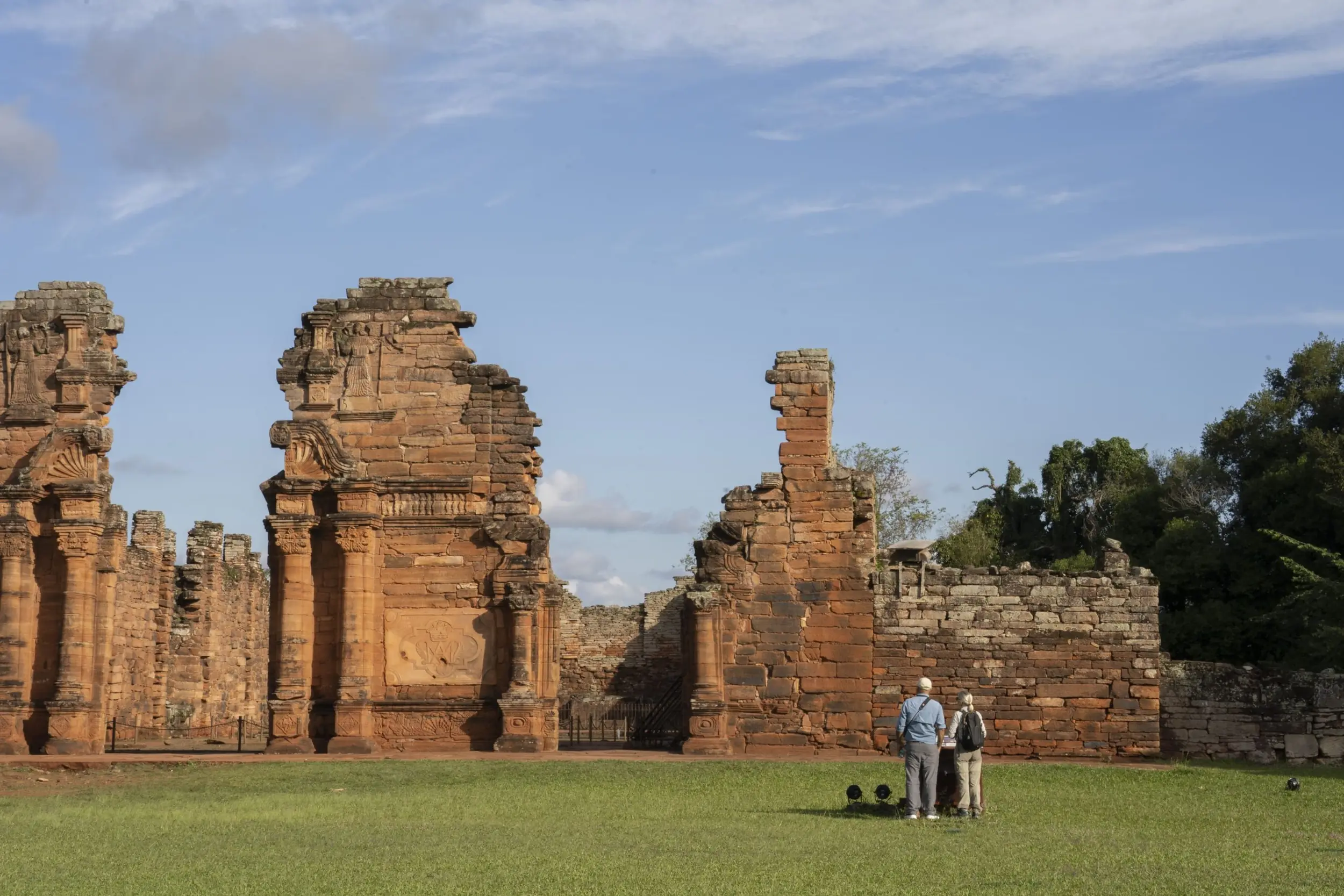
Drawn by her passion for the Atlantic Rainforest, Lelli ventured through Iguazú’s wonders alongside her private guide, Carlos. From historical Jesuit Missions to the rich variety of local flora and fauna, every moment became a source of inspiration.
Now back in her studio, Lelli is working on a new series of paintings that reflect her time at Awasi.
Florencia Echeverría – “Selva Atlántica”
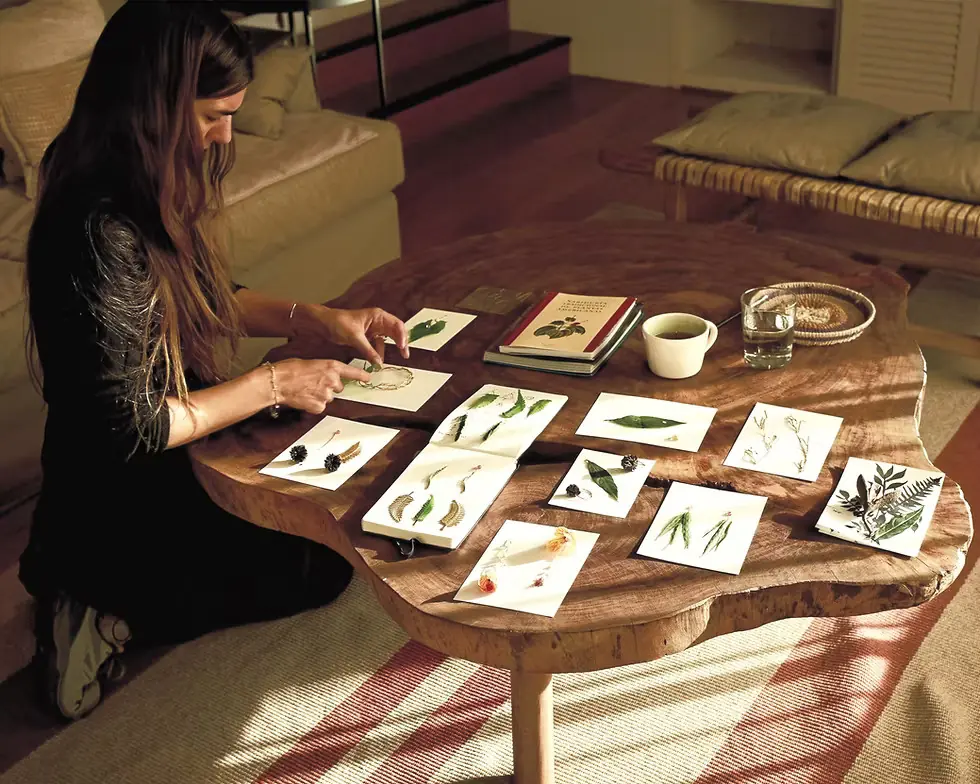
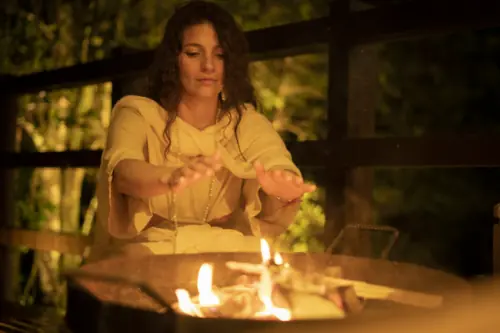
Florencia Echeverría is an Argentine porcelain sculptor and visual artist who traveled to Awasi Iguazú to learn authentic weaving techniques from the Guarani community. While in residence, the artist collected Misiones red soil to mix with cold porcelain to create a piece inspired by the local flora.
AWASI - 20.06.2024
Cecilia Nigro – “Cuando Me Baje El Alma Al Cuerpo”
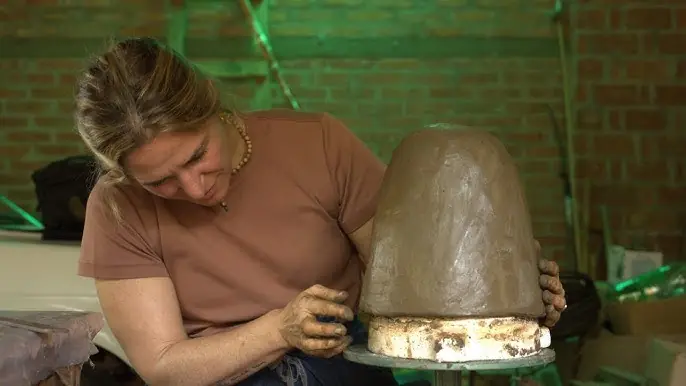
Cecilia Nigro is an argentine ceramist. She visited Awasi Iguazu to experiment with Ñaú mud, a material found along riverbanks and used by Guaraní communities to make pottery. The artist met with a local artisan and learned traditional weaving techniques using canes from the Atlantic Rainforest.
AWASI - 02.01.2024
Andrés Paredes – “Trama Y Desenlace”
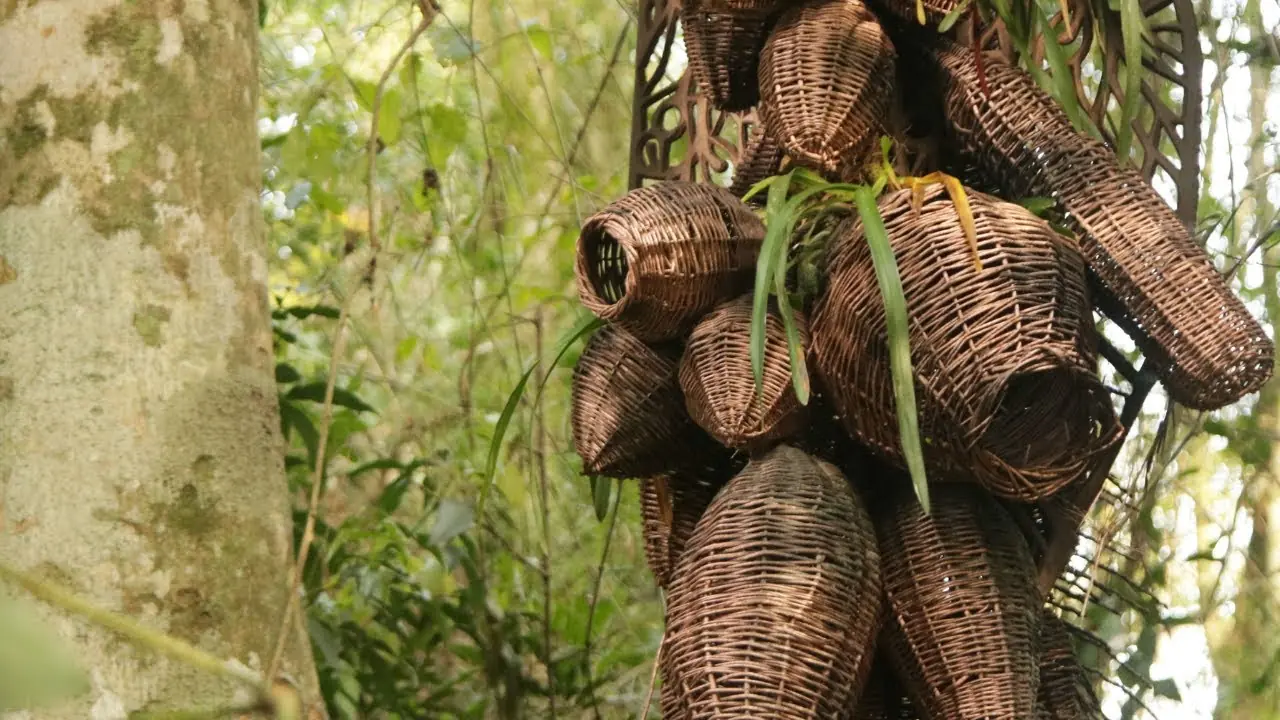
Argentine visual artist Andrés Paredes recently spent time with the team at Awasi Iguazú. Whilst in-residence, Andrés installed a biodegradable sculpture deep in the Atlantic rainforest near to the lodge.
AWASI - 02.11.2023
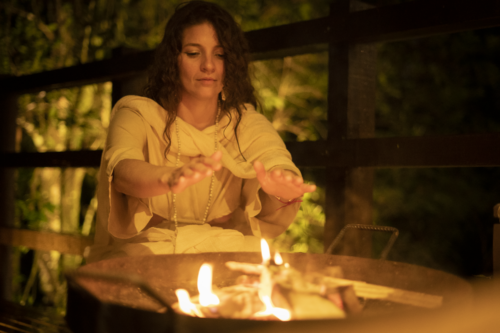
Iliana Díaz López – “Portales del Ara Pyau”
Argentine and London-based sound engineer, singer and founder of The Factory Sound, Iliana Díaz López, visited Awasi Iguazu to celebrate the Ara Pyau, the Guaraní New Year. The artist welcomed the Ara Pyau with a live performance, accompanied by the Guaraní Yriapu community choir.
AWASI - 03.02.2022
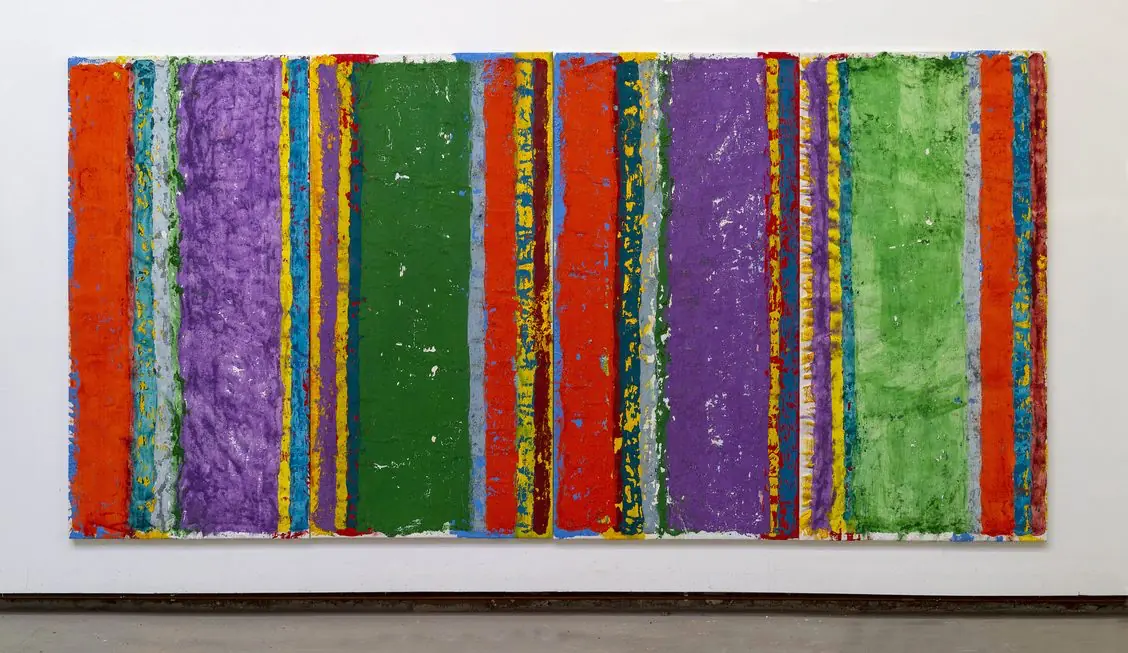
Rainer Gross – “Double Takes”
Rainer Gross, a renowned German artist based between New York City and Long Island, visited Awasi Iguazu where he was captivated by the raw power of nature. Combining his passions for painting and photography, he created stunning images of the waterfalls, inspired by the vibrant colors of the Atlantic Rainforest.
AWASI - 03.02.2022